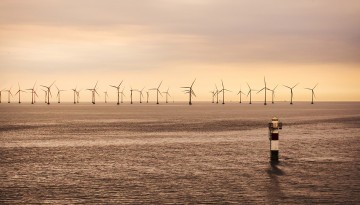
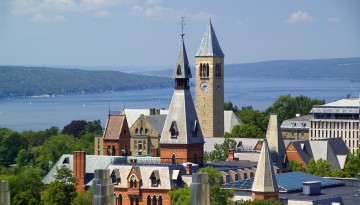
A new Cornell study could help inform the development of offshore wind farms by providing detailed models characterizing the frequency, intensity and height of low-level jet streams over the Atlantic coast.
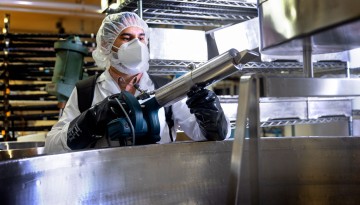
In the arid world of processing flour and food powders, where using water to sanitize is impossible, Cornell researchers are studying dry, superheated steam.
As the associate dean for land grant affairs in the College of Agriculture and Life Sciences, Julie Suarez is recognized across the state as an advocate for New York agriculture and a trusted partner in furthering the outreach conducted by Cornell CALS and Cornell Cooperative Extension (CCE). On Monday, Jan. 31, that recognition hit a formal note as Suarez was named CCE’s 2021 Friend of Extension.
A new fellowship celebrates the life and legacy of Thomas Wyatt Turner, the first Black American to receive a Ph.D. in Botany and the first Black person to receive a Ph.D. in any study at Cornell University.
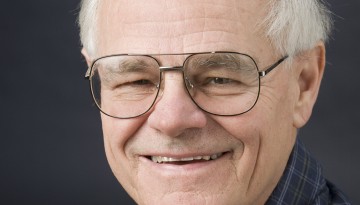
Michael Walter, professor emeritus and former chair of the Department of Biological and Environmental Engineering, who was known for his affability and inclusivity, died Nov. 5 in Lansing, New York.
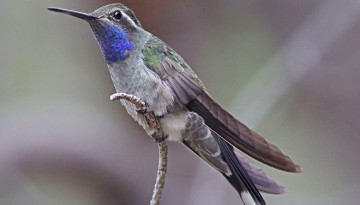
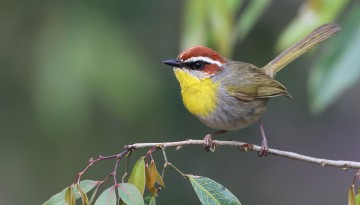
The 25th annual Great Backyard Bird Count is scheduled for Feb. 18-21. All are invited to join the count so that as many birds as possible can become part of a massive database used by scientists to track changes in bird populations over time.
As Cornell employees and students work together in lifelong learning partnerships with the Community Learning and Service Partnership (CLASP), a wealth of accomplishments and comradery builds up over the semester.