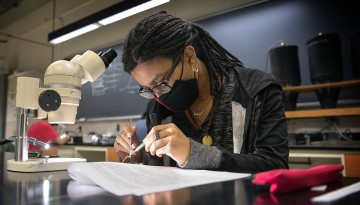
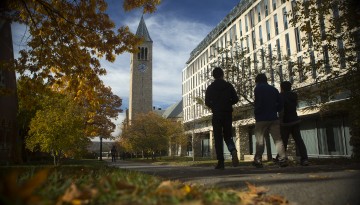
This semester, virtual, in-person and hybrid classes across disciplines are employing innovative ways to leave students with safe but lasting educational experiences.
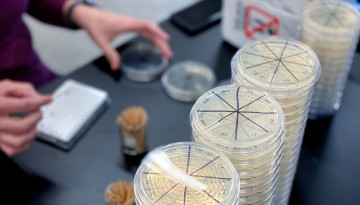
A U.S. Department of Energy agency has awarded $1 million to Cornell researchers, who are using programmed microbes to mine rare-earth minerals used in consumer electronics and advanced renewable energy.
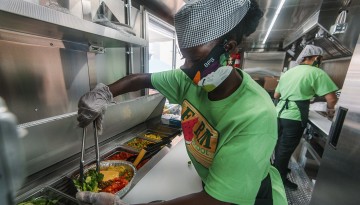
With help from Cornell Cooperative Extension, the Buffalo City School District unveiled a new Farm to School food truck, which will bring locally-sourced hot food to inner city families.
Isabel Wilkerson, author of “The Warmth of Other Suns” and “Caste,” will deliver the Cornell Center for Social Sciences’ annual Distinguished Lecture in the Social Sciences at 6:30 p.m. Oct. 21.
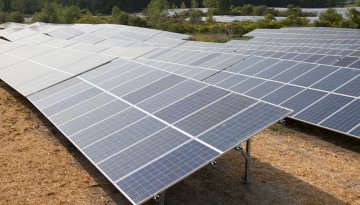
Engineering professor Max Zhang has been awarded a NYSERDA grant to determine efficient solar farm array configurations so the state can avoid land-use conflicts or spoiling precious agricultural space.
As Cornell students sheltered in place last April, many were were hit with yet another worry: COVID-19 was upending their summers. That's when Global Cornell decided to step in.
The Office of Engagement Initiatives recently awarded Engaged Curriculum Grants to 19 teams of faculty and community partners that are developing community-engaged learning courses, majors and minors across the university.
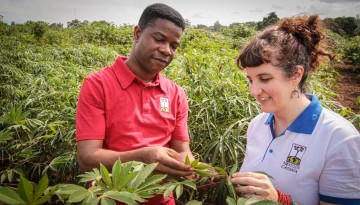
Ceres2030, headquartered at Cornell, aims to end world hunger by 2030. Harnessing machine learning and librarian savvy, the project identified the most effective ways to boost crops, empower farmers and protect the environment.
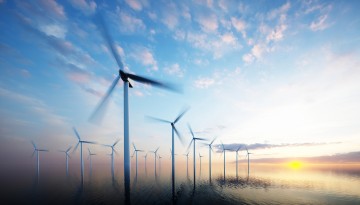
A new interdisciplinary research project is designed to unlock the power of wind energy by optimizing the spacing between wind turbines and wind turbine arrays to maximize power production.