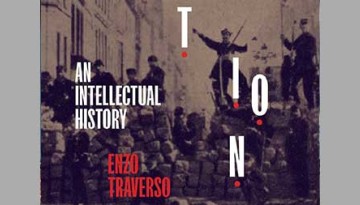
“Rivoluzione 1789-1989” has also been published in English, French and Spanish, with translations to follow in German, Portuguese, Greek, Korean and other languages.
A chemistry collaboration led to a creative way to put carbon dioxide to good – and even healthy – use: by incorporating it into a series of organic molecules that are vital to pharmaceutical development.
Freedom on the Move is a collective digital history archive of “runaway slave” advertisements published in North American newspapers in the 18th and 19th centuries.
The funding will support preliminary disease-related research, in the latest in a series of efforts to create new opportunities for interdisciplinary research.
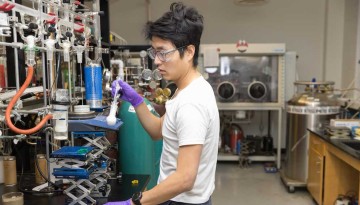
Richard Kong is working to develop catalysts to guide chemical reactions toward desired outcomes, including some that could have a positive effect on the environment.
Participation in the immersive Florida Field Course led to positive professional outcomes, higher rates of publications, and faculty positions at research institutions, according to a new study from Cornell ecology and evolutionary biology researchers.
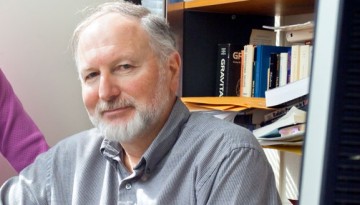
Riccardo Giovanelli, professor emeritus of astronomy in the College of Arts and Sciences and a former leader at the Arecibo Observatory in Puerto Rico, died Dec. 14 in Ithaca after a long battle with Parkinson’s disease. He was 76.