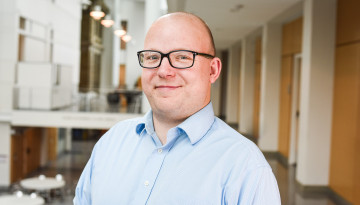
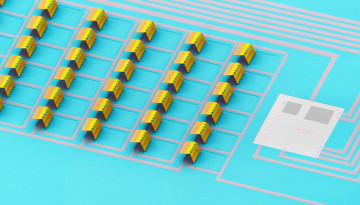
A programmable photonic chip that can be reconfigured to perform different tasks could make quantum technologies more flexible – an approach associate professor Peter McMahon will explore as a 2026 Experimental Physics Investigator with the Gordon and Betty Moore Foundation.
A new study finds that tariffs on Canadian power could reduce the amount of imported electricity, raise prices, increase carbon emissions and make the power system more vulnerable to extreme weather.
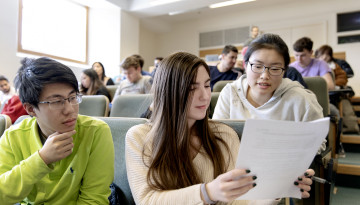
At the Center for Teaching Innovation’s Sept. 30 “What Works” event, Cornell faculty presenters and attendees will share ideas, inspirations, challenges and experiences about how to build a classroom where students feel connected and empowered.
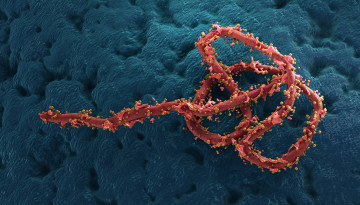
Cornell researchers have developed a portable diagnostic test that can simultaneously detect and distinguish Ebola and Lassa, two serious viruses whose early symptoms can be difficult to tell apart.
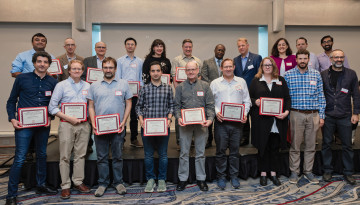
The Cornell Duffield College of Engineering celebrated faculty commitment to education at its 2026 Fall Faculty Reception, honoring this year’s Teaching and Advising Award winners for their contributions to outstanding curriculum design, teaching methods, student mentoring and faculty development.
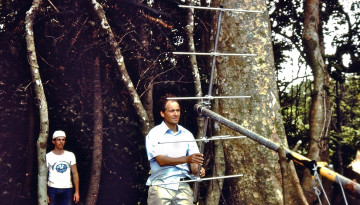
Bryan L. Isacks, the William and Katherine Snee Professor of Geological Sciences Emeritus in the Cornell Duffield College of Engineering who transformed the understanding of Earth’s surface, died Sept. 9 in Ithaca. He was 90.