A Cornell multidisciplinary team devised a way to get a "time-lapse" look at the early formation of mesoporous silica nanoparticles, from six-sided crystals all the way to 12-sided quasicrystals.
Ten new Mong Family Foundation Fellows in Neurotech will work jointly under the mentorship of Cornell faculty to advance technologies providing insight into how brains work.
What do cat carriers, multifaceted keyboards and genetically engineered bacteria have in common? They are all products brought to life during this year's summer hardware program at Rev: Ithaca Startup Works.
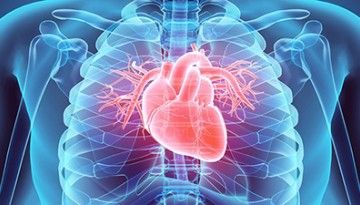
Jonathan Butcher, associate professor of biomedical engineering, and Chris Frendl, M.Eng. '11, have been awarded a patent for a method of "bio-hybridizing" implants such as prosthetic heart valves.
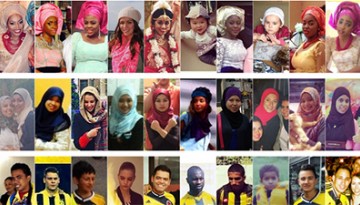
Cornell computer science researchers are figuring out ways to analyze billions of photographs uploaded to photo-sharing services through deep-learning methods.
Using a combination of DNA sequencing and computer science techniques, researchers have developed a new method for monitoring the health of organ transplant patients.
AguaClara, an Engineering Project Team that has built 14 gravity-powered surface water treatment facilities in Honduras over the last 12 years, has begun construction of its first plant in Nicaragua.
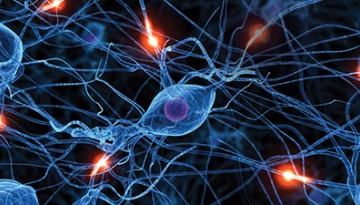
A five-year, $9 million grant from the National Science Foundation will create the Cornell Neurotechnology NeuroNex Hub to develop new tools for neuroscience.
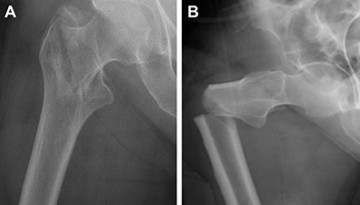
A research team led by Eve Donnelly, assistant professor in materials science and engineering, has published a study regarding a dangerous side effect of long-term use of bisphosphonates to treat osteoporosis.