Cornell Tech’s first virtual Open Studio – an end-of-semester event in which students present the products they built to members of the tech industry – will be held online May 15.
Collaborating across disparate disciplines to tackle the grand challenges facing humanity is intrinsic to Cornell’s unique brand of research innovation.
A new tool developed by a Cornell Tech team can unobtrusively monitor electronic cigarette inhalations, yielding important information for research into vaping.
A Cornell Tech-led team has pioneered the use of “ghostdrivers” – cars with drivers disguised under a car seat-like hood – to assess how pedestrians across cultures might react to autonomous vehicles.
Participants in the Jacobs Technion-Cornell Institute at Cornell Tech’s Runway Startup Postdoc Program presented projects aimed at coping with coronavirus at a virtual demonstration April 1.
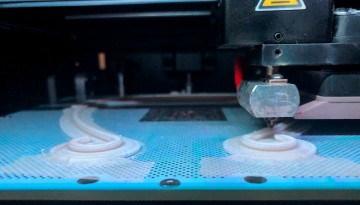
Students, faculty, staff, alumni and community members are working together around the clock to 3D print protective visors for medical workers at Weill Cornell Medicine and local hospitals.
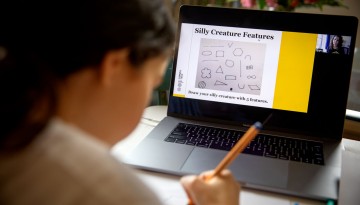
Cornell Tech is creating virtual lessons and daily Twitter challenges to continue promoting computer science education for children in grades K-12, even as the world tackles unprecedented challenges.
A recent Cornell Tech alumnus is applying his health tech skills to a crowdsourcing app that allows users to share their COVID status, to better inform individuals and health authorities.