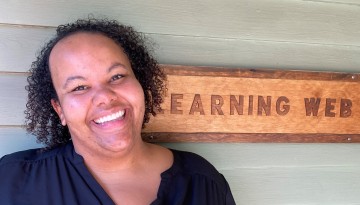
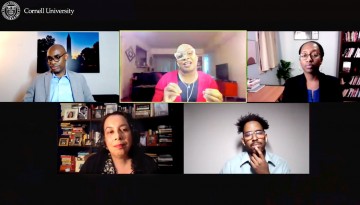
The April 6 episode of ‘All Things Equal’ featured Danielia Barron, executive Director of the Learning Web, discussing how they have continued to support the needs of youth throughout COVID-19.
Cornell’s admitted class of 2025 – a class that applied to college during an unprecedented year interrupted by pandemic-related closures and quarantines – is an impressive one and its composition has set new levels of diversity for the university.
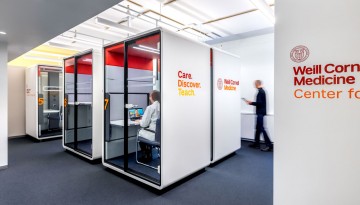
The center’s latest offering is a two-week online course, developed with eCornell, that provides strategies practitioners can use when caring for their patients remotely.
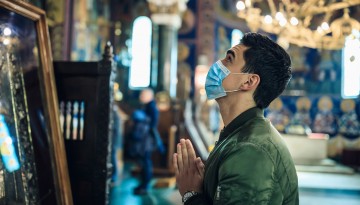
Religion protected mental health of members of several faith groups during the pandemic, but also constrained crisis response among some of the same groups, ultimately undercutting the overall effectiveness of public health efforts.
The university plans to host in-person Commencement the weekend of May 29-30 with attendance limited to members of the Class of 2021, which includes graduating seniors, graduating graduate and professional students, and students who completed degrees in August or December 2020.
Cornell will host a virtual Q&A and panel discussion, “The Science behind COVID-19 Vaccines: A Conversation with Cornell’s Immunology Experts,” Monday April 12 from 4 to 5 p.m.
In a “Racism in America” webinar, four Cornell faculty members elaborated on ways the COVID-19 pandemic has shown race-based discrepancies in health care and health outcomes.
Cornell officials announced the outline of plans for the Fall 2021 semester and they will hold a virtual town hall April 8 open to all members of the Ithaca, Geneva, and Cornell Tech campuses.
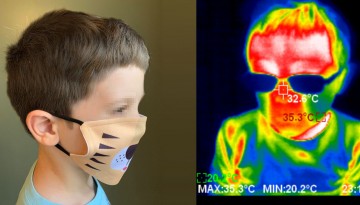
The end of face masks in public could be a year or more away as questions of transmissibility post-vaccine and effectiveness against emerging strains remain. One thing is clear: when it comes to fit, function, fashion, and sustainability, current face masks leave a lot of room for improvement.