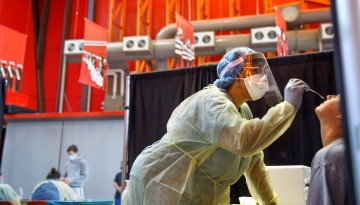
Cornell researchers found no evidence of students transmitting COVID-19 to employees or the broader community during the fall semester, but students who traveled were eight times more likely to test positive within two weeks of their return.
Worker burnout has soared in the past year. In this Q&A, ILR School Associate Professor of Organizational Behavior Vanessa Bohns answers questions and offers strategies to combat the “always on” syndrome.
In some ways, the Class of 2024 is managing better than many people might have expected, but in others, the pandemic has made learning a lot more difficult.
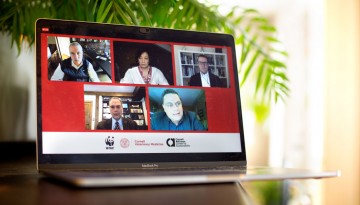
Future pandemics can be averted if the world’s governments eliminate unnecessary wildlife trade and adopt holistic approaches, according to experts at a Feb. 23 virtual conference.
While people from all groups reduced their social interactions, those with higher incomes made greater changes to their behavior, according to a new study co-authored by a Cornell researcher.
Due to the ongoing pandemic and related public health concerns, Cornell will hold all-virtual Reunion events this June for a second consecutive year, university officials announced today.
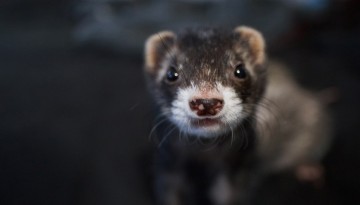
Cornell researchers have helped develop a nasal formulation that blocks the spread of COVID-19 among ferrets – and are hopeful the formulation could have the same effect on humans, and potentially generate therapeutic treatments as well.
Results of the 3,100-respondent survey speak to enormous challenges experienced in health care institutions, voting system and the world of work, authors say