Supporting engagement efforts in D.C. by faculty, staff and students is central to Cornell’s Office of Federal Relations mission, even more so as the coronavirus pandemic has limited opportunities for face-to-face advocacy.
Cornell researchers are working collaboratively at the forefront of their fields to re-examine and adapt their innovations to develop the tests, treatments and knowledge necessary to end the COVID-19 pandemic.
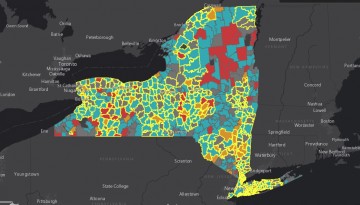
The ILR School has launched the NYS School District COVID-19 Tracker, an interactive, web-based mapping application that combines multiple sources of data on COVID-19, demographics and related topics by school district.
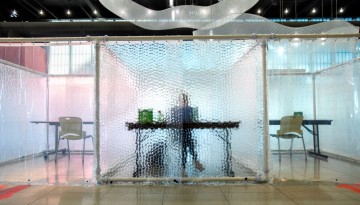
To help students find safe places to study on campus, the College of Human Ecology has created cozy, 7-foot-square cubes out of PVC pipe and plastic sheeting.
President Martha E. Pollack and Vice Provost for Undergraduate Education Lisa Nishii discuss getting out to vote, “semi-final” exams during the third and fourth weeks of November, and other topics.
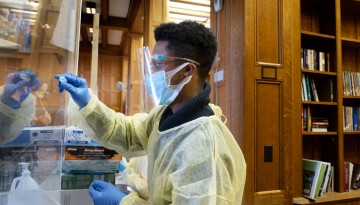
At Cornell, committed leaders, expert faculty, trained staff and student hires have worked tirelessly behind the scenes to create a winning strategy to reactivate campus and keep the community safe from COVID-19.