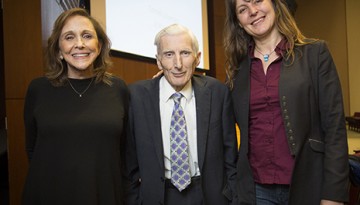
Lord Martin Rees, who has probed deep into the cosmos, studied gamma-ray bursts and galactic formation, spoke May 8 at Cornell on issues closer to home: the preservation of our “pale blue dot.”
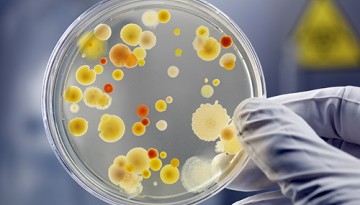
Dr. Arjun Srinivasan of the CDC delivered the keynote lecture at the symposium, "Antimicrobial Resistance: Research Synergies in Human and Animal Medicine," on Cornell's Ithaca campus May 4.
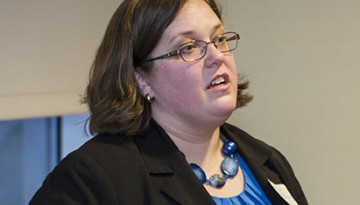
Paulette Clancy, the Bodman Professor of Chemical Engineering, and Heather Kolakowski, lecturer in the School of Hotel Administration, won 2017 Kaplan Family Distinguished Faculty Fellowships April 25.
A study identified the sugar alcohol erythritol, which can be metabolized by, and even produced in, the human body as a biomarker for increasing fat mass.
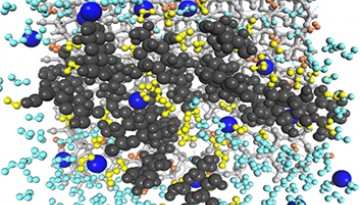
Organic material added by plant roots and microbes provide nutritious candy for the soil. Literally. Cellular sugar boosts water and nutrient retention, says new Cornell research.
Dig into digital agriculture, comprehend plant breeding biotechnology, and learn out how the microbiome may solve food production problems at an agricultural technology and partnership forum June 7.
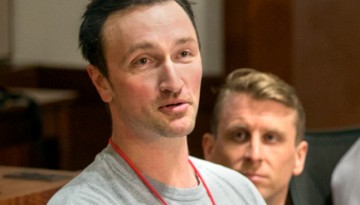
Food entrepreneurs took part in the panel discussion Advancing Food Entrepreneurship April 28 at the Statler Hotel, part of the Entrepreneurship at Cornell Celebration conference.
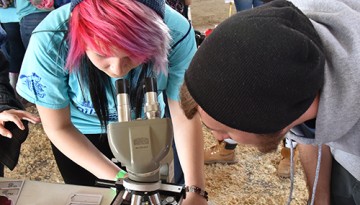
An event for students interested in agriculture was held April 26 and brought together 220 high school students from 17 Finger Lakes-area school districts.
The first of its kind in the country, a new course in the College of Agriculture and Life Sciences teaches the full cycle of production, from growing apples to fermenting cider.