The first-ever Industrial Hemp Summit on April 18 at the College of Agriculture and Life Sciences looked at industrial hemp as a lucrative addition to New York agriculture.
Honeybees encounter high danger due to lingering and wandering pesticides, according to an analysis of the bee's own food, according to Cornell research in Nature Scientific Reports, April 19.
Ninety-eight Cornell graduate and professional students will travel to 47 countries over the next year with support from the Einaudi Center's International Travel Grant Program.
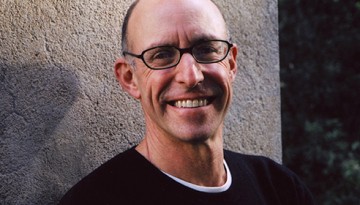
Michael Pollan, environmentalist and best-selling author, speaks on "Out of the Garden" at the 2017 Iscol Distinguished Environmental Lecture on April 27, in Call Auditorium, Kennedy Hall.
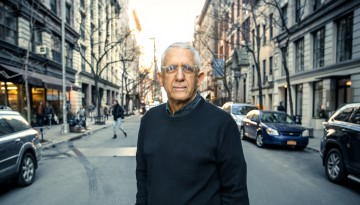
Cornell's Ithaca campus and its iconic upstate setting may be what many envision when they think of the university, but Cornell has long had a presence on the cosmopolitan stages of New York City.
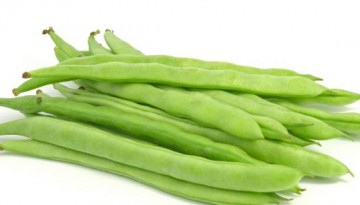
A project led by a College of Agriculture and Life Sciences researcher is aimed at reducing losses in this important crop by optimizing disease control for the fungus.
April is Sustainability Month at Cornell, and the campus will bloom with exhibits, lectures, a bike rally, a fun run, environmental fashion and learning how to keep this blue planet green.
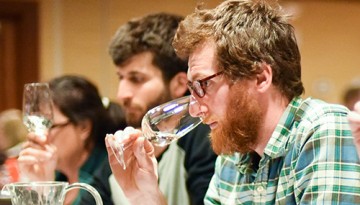
Cornell Cooperative Extension offers northern New York wineries a helping hand with the agriculture, viticulture and commercial challenges of growing grapes in a rugged climate.