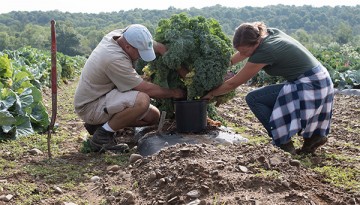
A Cornell breeding program is targeting the natural biodiversity of kale to further promote its acceptability and popularity as a leafy green vegetable among consumers.
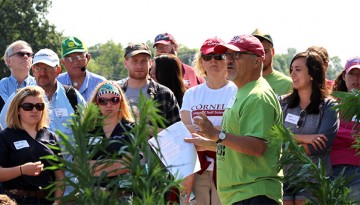
Farmers looking to reduce reliance on pesticides, herbicides and other pest management tools may want to heed the advice of Cornell agricultural scientists: Let nature be nature – to a degree.
In a presentation to global leaders battling climate change and feeding a burgeoning world population, Cornell's Dawit Solomon presented food security ideas to stave off the Earth's atmospheric warming.
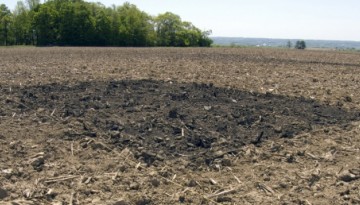
A project led by Cornell researchers to better understand soil microbes and their role in the carbon cycle has received a three-year, $3.59 million grant from the U.S. Department of Energy.
The 2016 Cornell University One Health + Public Health + Global Health Symposium will take place Nov. 4, 8 a.m. to 4 p.m., in Biotech G10 and the lobby.
Educators from Cornell Cooperative Extension are helping the Buffalo City School District adopt its new farm-to-school program, which encourages students to learn where their food comes from.
New Cornell research suggests an economically viable model to scrub carbon dioxide from the atmosphere to thwart runaway, point-of-no-return global warming.
Cornell is leading a national alliance aimed at improving the safety of fresh produce and helping fruit and vegetable growers meet new regulatory requirements of the Food Safety Modernization Act.
Put healthful eating in the palm of your hand: VitaMe Technologies – the Cornell start-up group that makes NutriPhone for personal nutrition testing – has joined the university's McGovern Center incubator.