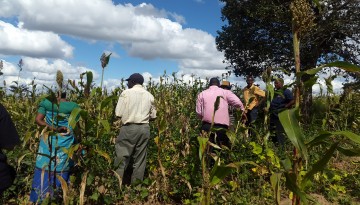
Two graduate students have received funding for research focused on increasing food security in Africa from the Cornell Atkinson Center for Sustainability.
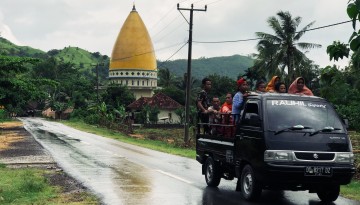
Jenny Goldstein, assistant professor of global development, studies the intersection of power dynamics, the environment, and the meaning of place and space in Indonesia.
New grants from the Migrations initiative seeks to support work in migrations-related research, pedagogy and engagement with a specific focus on racism and dispossession.
Rahul Gandhi, member of India’s Parliament and former president of the Indian National Congress, will join Kaushik Basu for an open conversation on democracy, development, and life in politics, India, and the world March 2.
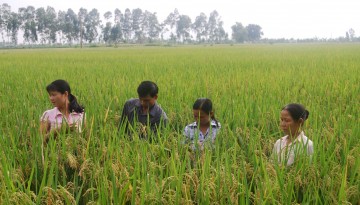
The System of Rice Intensification (SRI) has been named as a 2020 climate policy "breakthrough" for government initiatives in Vietnam to increase agricultural production there while reducing methane emissions from rice paddies.
Former Ohio Gov. John Kasich decried the negativity of current politics and urged people across the political spectrum to work together to find solutions during a conversation Feb. 17.
Doctoral students Rob Swanda and Juliana González-Tobón have taken the internet by storm with their videos that take some of the mystery out of the COVID-19 vaccines.