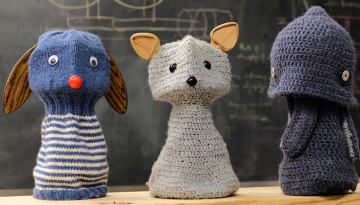
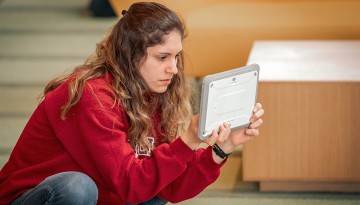
Blossom, a simple, expressive, inexpensive robot platform developed by Cornell researchers, can be made from a kit and creatively outfitted with handcrafted materials.
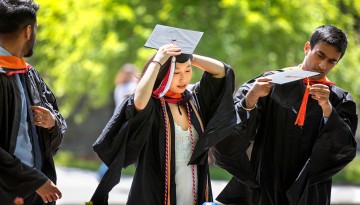
Cornell President Martha E. Pollack’s Commencement address and the Senior Convocation address by science educator Bill Nye ’77 will highlight Cornell’s 151st Graduation Weekend, May 24-26.
Jennie Sims, the recipient of the Mann Outstanding Graduate Student Award, is probing why, how and when a cell chooses to repair itself, which has implications in cancer research.
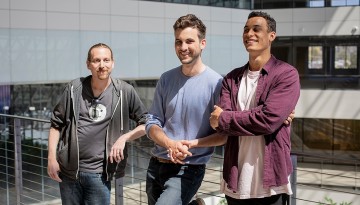
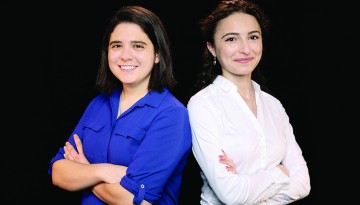
Andrés Gutiérrez ’15, M.S. ’19 and Adler Faulkner ’18 started their company Comake, a smart workstation that consolidates accounts and cloud services, while students in eLab.
As Cornell recognizes the 50th anniversary of the occupation, dialogue around these important issues continues. Ezra offers two essays written by Cornellians who are among the many looking back on the occupation to explore its lessons, both broad and personal.
Students at the Cornell College of Veterinary Medicine can now get a leg up in learning equine anatomy, thanks to a custom-designed app created at the college.
Doctoral students Renee Sifri, studying chemistry, and Anna Srapionyan, studying applied math, have been honored with Cornelia Ye Outstanding Teaching Assistant Awards.
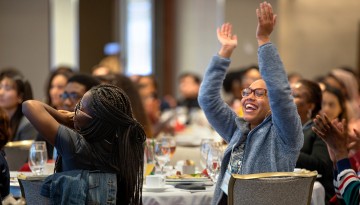
The Office of Academic Diversity Initiatives’ annual Honors Award Ceremony May 3 celebrated students, faculty, staff and alumni who have demonstrated outstanding leadership, high academic achievement and strong community engagement.