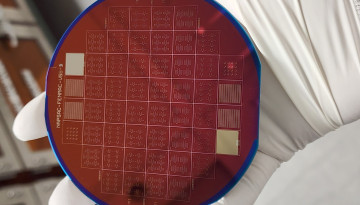
Cornell researchers have developed a computing device that stores information electrically but reads it through tiny mechanical motion, an approach that could open a path toward more energy-efficient hardware for AI and scientific computing.
Doctoral candidates in the Class of 2026 were encouraged to work toward making the world a better place at the Ph.D. Recognition Ceremony, held May 22 in Barton Hall.
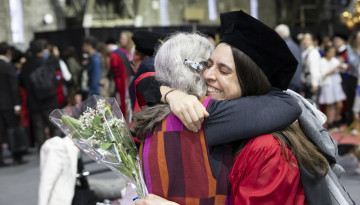
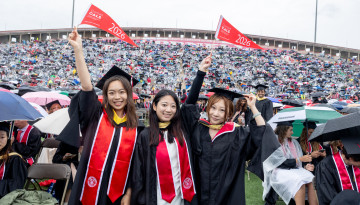
The Class of 2026 has the tenacity, talent and determination to advance the unfinished work of American democracy, President Michael I. Kotlikoff told graduates and their guests at Commencement ceremonies held May 23.
The Center for Teaching Innovation's Graduate Teaching Fellows program is celebrating 15 years of supporting the next generation of professors with graduate training to help them prepare for their future teaching.
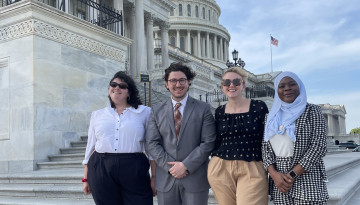
The Graduate Excellence and Impact Awards recognized members of the graduate community for their impacts on advancing access, engagement and belonging through service and leadership.
Airbnb’s now-defunct “Airbnb Plus” program didn’t just help the listings it approved: It also unintentionally hurt many hosts who were left out, according to research from the Cornell SC Johnson College of Business.
Cornell astronomers are deploying a new instrument that grants them, for the first time, a better view of the universe’s earliest galaxies, which can’t be observed individually with ground- or space-based telescopes.