Leo Taylor, Ph.D. ’15, delivered the 2023 Building Allyship Initiative Keynote talk, “Supporting Trans and Nonbinary People During Turbulent Times,” and shared ways for individuals to become aspiring allies.
Addressing the shortage of women in STEM fields such as computer science is not enough to close the gender gap: Treating women more like men, especially on pay day, is more important than representation alone, according to Cornell research.
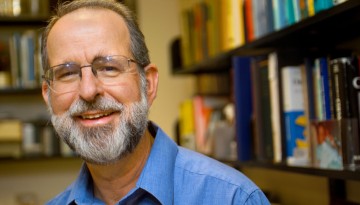
Frank DiSalvo, a chemist-physicist who inspired hundreds of Cornellians from different disciplines to collaborate on environmental and sustainability problems, died on Oct. 27 in Atlanta, Georgia. He was 79.
Students were tasked with addressing one of four challenges: creating new dairy products, coming up with more efficient food manufacturing processes, lessening the problem of food waste or creating products to increase knowledge and the use of honey and other bee-pollinated products.
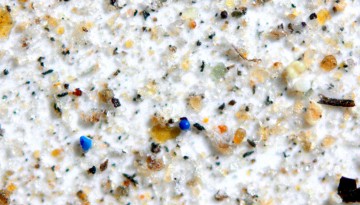
A Cornell collaboration developed a model to simulate the atmospheric transport of microplastic fibers and found that their shape plays a crucial role in how far they travel.
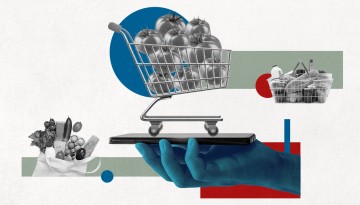
Online grocery carts tend to include less variety and fewer fruits and vegetables than those in a trip to a brick-and-mortar supermarket – but online shoppers are less susceptible to unhealthy impulse buys, a new Cornell study has found.
Researchers from the Charles H. Dyson School of Applied Economics and Management have developed a new method for measuring food insecurity, which for millions of people in the U.S. is more than just an abstract concept.
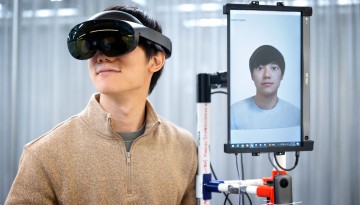
Researchers from Cornell and Brown University have developed a souped-up telepresence robot that responds automatically and in real-time to a remote user’s movements and gestures made in virtual reality.
Ph.D. students Leah Lackey and Travis Lloyd are the first students from the National Science Foundation Computer and Information Science and Engineering Graduate Fellowships program to attend Cornell.