This year, a new cohort of 16 Ph.D. students in the Einaudi-SSRC Dissertation Proposal Development Program must adapt to the obstacles brought on by the global pandemic.
Women are more likely than men to hear “white lies” – inaccurate performance feedback in job evaluations – according to a new study by researchers in the Department of Psychology.
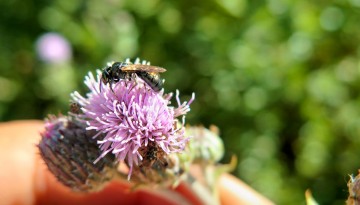
A new study on bees, plants and landscapes in upstate New York sheds light on how bee pathogens spread, offering possible clues for what farmers could do to improve bee health.
Amid the challenges of shifting to virtual learning, students and faculty found opportunities for innovation, connection and intellectual growth. Here are snapshots of six courses that took creative approaches to their online formats.
The proliferation of medical misinformation on social media and the human experience of social distancing are among the pandemic-related topics to receive rapid response grants from the Cornell Atkinson Center for Sustainability.
A statistical analysis of all 50 states and Washington, D.C., found that social distancing measures slowed the spread of coronavirus on the whole, but did not reduce the number of new infections per day.
A Cornell-led collaboration investigated how differences in collagen fibers are responsible for influencing the behavior of myofibroblasts – findings that could have implications for preventing and treating fibrotic diseases such as cancer.
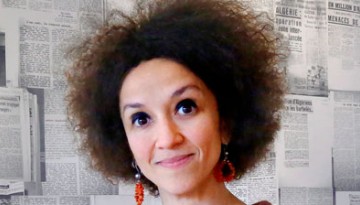
Samia Henni, assistant professor in the College of Architecture, Art and Planning, has received the 2020 Spiro Kostof Book Award from the Society of Architectural Historians.