Cornell researchers have developed an automated system that uses machine learning, data analysis and human feedback to automatically verify statistical claims about the new coronavirus.
To better predict volcanic activity, Cornell geologists have proposed a new system to discern the stages of a volcano’s unrest – as seen from perceptive satellites.
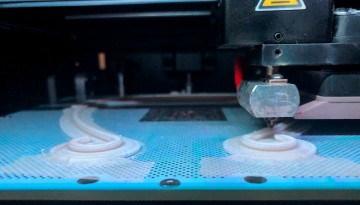
Students, faculty, staff, alumni and community members are working together around the clock to 3D print protective visors for medical workers at Weill Cornell Medicine and local hospitals.
Students who used immersive virtual reality did not learn significantly better than those who used two more traditional forms of learning, a new Cornell study has found.
Doctoral student Benedetta Luciana Sara Carnaghi didn’t have to wait long to retrieve her research material and continue her work, thanks to a double-time effort by Cornell University Library staff.
As the coronavirus pandemic sent the entire world reeling, Cornell’s Southeast Asia Program had to make a last-minute decision regarding its annual graduate student conference, March 13-15.