Doctoral students Sri Lakshmi Sravani Devarakonda and Cheyenne Peltier have been named winners of the 2019-20 Cornelia Ye Outstanding Teaching Assistant Award.
During this time of social distancing and university life interrupted by the ongoing coronavirus (COVID-19) outbreak, the Chronicle offers a variety of opportunities to engage with online Cornell resources and programming.
A new tool developed by a Cornell Tech team can unobtrusively monitor electronic cigarette inhalations, yielding important information for research into vaping.
Victor Nee, the Frank and Rosa Rhodes Professor of Economic Sociology, is among 276 newly elected members of the American Academy of Arts and Sciences.
Competing for more than $35,000 in prize money, five teams made virtual presentations to a panel of judges April 17 to conclude the 10th annual Hospitality Business Plan Competition hosted by the School of Hotel Administration's Pillsbury Institute for Hospitality Entrepreneurship.
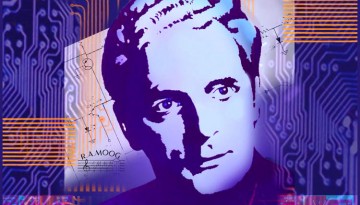
Virtual events and Cornell resources include selections from the Centrally Isolated Film Festival; a Guy Davis concert rebroadcast on WVBR; a local species survey; a training session for undocumented community allies; and an online version of Cornell Library's Robert Moog exhibition.
Online events and Cornell resources include a choral music listening party, a staff community chat, student work from Rome, gardening classes for kids, and virtual auditions for a fall production of “How I Learned to Drive.”