“Fashioning the Boundaries of Free Speech,” an exhibit that’s part of Cornell’s Freedom of Expression theme year, will be on display in the Human Ecology Building and the Herbert F. Johnson Museum of Art from Sept. 28 to Jan. 15, 2024.
Cornell’s contribution, the largest private investment in Ithaca Area Economic Development’s new fundraising campaign, will support the growth of local business and employment.
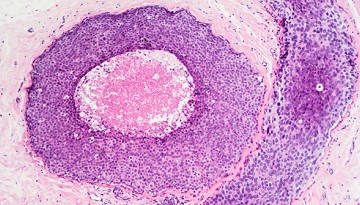
Researchers at Weill Cornell Medicine have found that radiation therapy combined with two types of immunotherapy can control tumors in preclinical models of triple-negative breast cancer, which is typically resistant to immunotherapy alone.
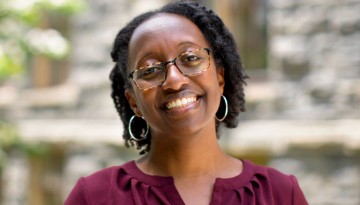
For her breadth of scholarship on racism and bias, Jamila Michener has been named the inaugural director of the university’s new center aimed at developing just and equitable public policy.
Lecturer Barbara Meyer has "made exciting discoveries regarding how disruptions in proper gene expression can have dramatic consequences in organism development and health as well as impact aging and lifespan.”
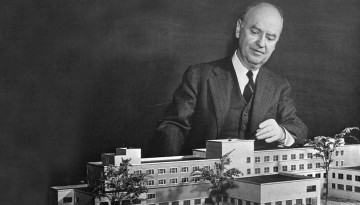
A new exhibit in Statler Hall commemorates 100 years of hospitality education at the Peter and Stephanie Nolan School of Hotel Administration in the Cornell SC Johnson College of Business.
Students who find themselves in crisis outside business hours can now call on an alternative to law enforcement – a Community Response Team that will send immediate, in-person support.
An event featuring threatened artists from Nicaragua and Afghanistan kicks off Global Cornell’s contribution to this year’s campuswide theme, “The Indispensable Condition: Freedom of Expression at Cornell.”
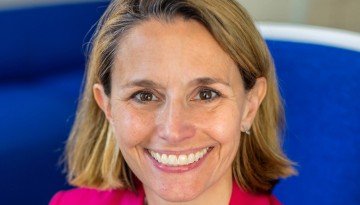
Rachel Dunifon has been appointed to a second term as the Rebecca Q. and James C. Morgan Dean of the College of Human Ecology, Provost Michael I. Kotlikoff announced Sept. 26.