Though human-made ponds both sequester and release greenhouse gases, when added up, they may be net emitters, according to two related studies by Cornell researchers.
On Sept. 26 at Cornell Law School, a conversation between First Amendment scholars Jameel Jaffer and Eugene Volokh headlines the universitywide theme year's first Milstein Symposium, presented by the Howard and Abby Milstein Foundation.
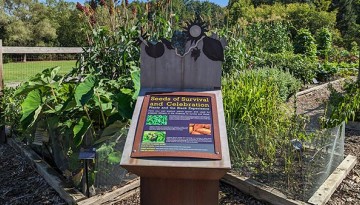
The exhibition "Seeds of Survival and Celebration: Plants and the Black Experience" returned for a second season with an expanded plant collection, which honors the lasting influence of the formerly enslaved and their descendants on American culture.
Along with a new minor, students can also take advantage of an expanded set of upper-level classes, participate in a number of ASL events on campus and be part of an active student club.
Depending on lifestyle choices and work arrangements, remote workers can have a 54% lower carbon footprint compared with onsite workers, according to a new study by Cornell and Microsoft.
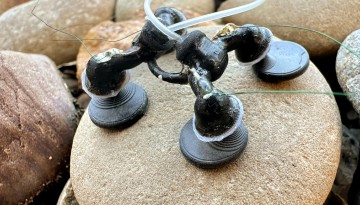
Researchers combined soft microactuators with high-energy-density chemical fuel to create an insect-scale quadrupedal robot that is powered by combustion and can outperform its electric-driven competitors.
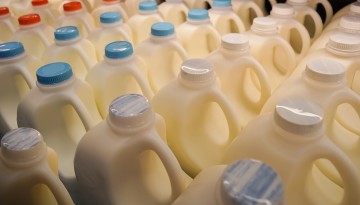
A new filtration process that aims to extend milk’s shelf life may result in a pasteurization-resistant microbacterium passing into milk if equipment isn’t properly cleaned early, Cornell scientists say.