To reduce the challenges of job searching, autistic applicants should rehearse socially appropriate responses and practice answering interview questions about teamwork with examples from previous experiences.
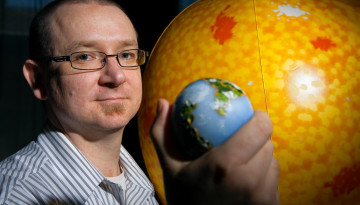
James Lloyd, professor of astronomy in the College of Arts and Sciences who worked at the intersection of astronomy, instrumentation and spacecraft engineering to find innovative ways to study and characterize exoplanets, died on July 15 in Ithaca.
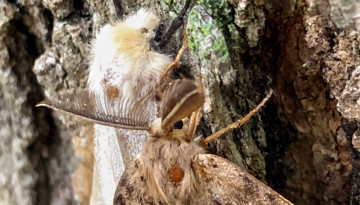
Satellite-derived maps of defoliation caused by European spongy moths offer a promising solution for tracking pest outbreaks and for identifying large scale trends.
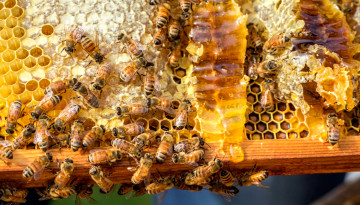
Strict regulations have prevented continental U.S. beekeepers from participating in the lucrative organic honey market, but new findings could provide evidence to open organic markets to U.S. producers.
An overactive immune response in the brain may play a role in Dravet syndrome, a rare and severe genetic epilepsy that typically begins in infancy, according to Weill Cornell Medicine researchers.
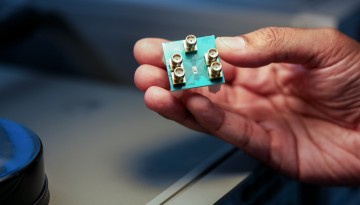
One year after unveiling a first-of-its-kind “microwave brain” microchip capable of computing on ultrafast data and wireless signals, researchers from the Cornell Duffield College of Engineering have shown how the chip can encode information into its own language.
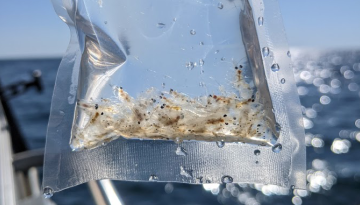
Cornell University’s James Watkins and Kade Keranen are leading a nearly $240,000 study to examine the abundance of mysid, small, shrimp-like crustaceans that are critical links in Lake Ontario’s aquatic food web.