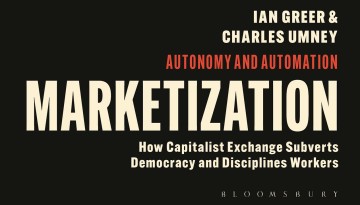
A new book explores how European markets function, who creates, shapes and organizes them, and what they mean for the relationship between labor and capital.
Zhang will work with the Center for New Democratic Processes to test whether public assemblies can be an effective method for increasing public participation in AI governance.
Four undergraduate teams with business ideas won this year’s Big Ideas Competition, sponsored by Blackstone LaunchPad, Startup Tree and Entrepreneurship at Cornell.
“I think the question that drives SETI’s work is one innate to the human species – seeking to prove that we are not alone in the universe,” said Ze-Wen Koh '23.
The Garth Cummings, D.V.M. ’11, and Sons Externship honors the memory and values of the alumnus, who lived a life of adventure and dedication to sound animal agriculture.
Four Cornell University Police Department officers were officially sworn in and four others received promotions at the officer commissioning and swearing-in ceremony, held Nov. 8 at Moakley House.
At COP27 meeting in Egypt, Engineering Professor Semida Silveira delivered a United Nations working group statement to accelerate global net-zero carbon emissions principles.