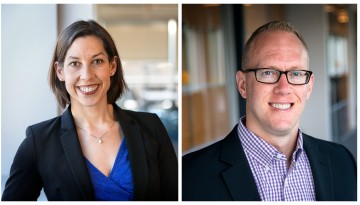
Because of their scholarly accomplishments and commitment to advancing global knowledge about communication, professors Lee Humphreys '99 and Jeff Niederdeppe have been elected as Fellows in the International Communication Association.
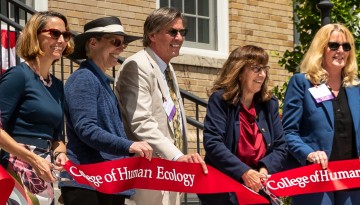
Four Cornell faculty members have received Kendall S. Carpenter Memorial Advising Awards, which recognize sustained and distinguished contributions of professorial faculty and senior lecturers to undergraduate advising.
Students in Cornell Engineering's Kessler Fellows program will be embarking on internships with startups across the country this summer and engaging in work from modern beekeeping to designer jewelry subscriptions.
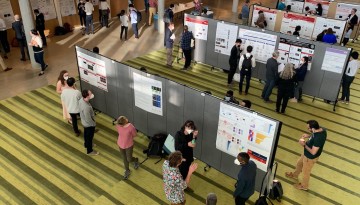
The annual event showcased the wide range of cancer research taking place across Cornell colleges and campuses, and allowed faculty and students to identify potential areas for collaboration.
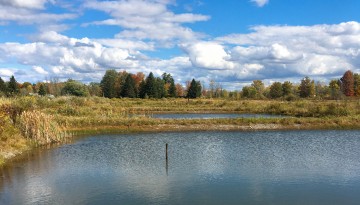
Meredith Holgerson, assistant professor in ecology and evolutionary biology, is working with New York state to quantify the climate impact of ponds and wetlands, as part of the state’s efforts to achieve carbon neutrality by 2050.
After many rounds of brainstorming, the lab group found inspiration during President Joe Biden’s inauguration on Jan. 20, when Gorman read her poem, “The Hill We Climb.”