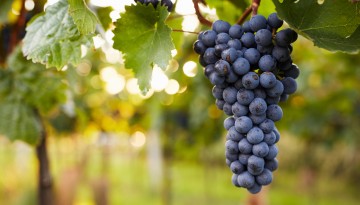
Applications are being accepted through Aug. 1 for the inaugural New York Concord Grape Innovation Award, a first-of-its-kind business competition aimed at stimulating innovation and development of new products and markets for one of New York’s largest and most historic grape industries.
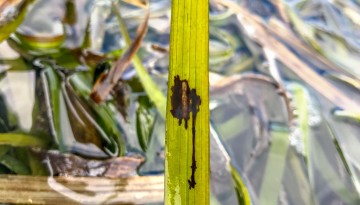
A combination of ecological field methods and AI has helped an interdisciplinary research group detect eelgrass wasting disease from San Diego to southern Alaska, and determine that it’s caused by warmer-than-normal water temperatures.
“Up from the Depths,” a new book by history professor Aaron Sachs, tells the interconnected stories of writer and poet Herman Melville and the literary critic and historian Lewis Mumford, who helped revive Melville from obscurity.
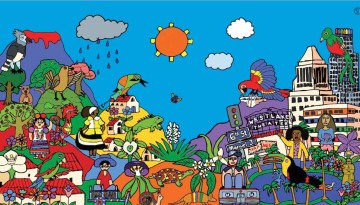
For six years, Klarman Fellow Chaira Galli helped youths from Central America navigate the United States’ labyrinthine asylum process while doing an ethnographic study.
A collaboration led by Eun-Ah Kim, professor in the College of Art and Sciences, employed machine learning to analyze a massive dataset from a quantum metal to settle a debate about this material.
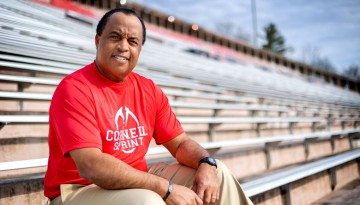
Michael L. Huyghue ’84, a former NFL general manager, has provided recommendations for improving diversity, equity and inclusion in hiring practices and is meeting with each team’s leadership.