Willy, a 3-year-old quarter horse, was diagnosed by a Cornell team with equine recurrent uveitis, a complex autoimmune disease with both genetic and environmental factors.
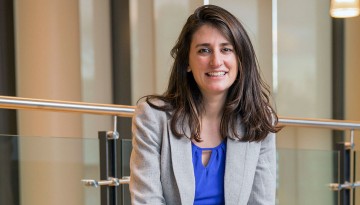
Our 11th episode features Stephanie Wisner ’16, co-founder of Centivax, a therapeutics company that’s creating universal vaccines to reduce and eradicate the remaining complex pathogens of the 21st century.
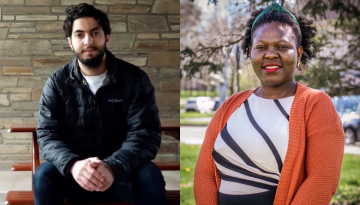
Doctoral students Rafid Bendimerad and Angela Nankabirwa were selected to receive 2022 Africa Fund Fellowships, which provide support to doctoral student applicants who are citizens of an African country.
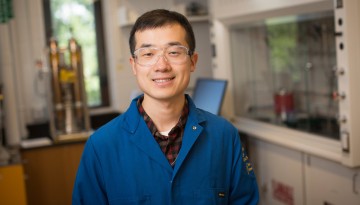
Lin's new process uses readily available substances and inexpensive electrodes to create the large and complicated molecules widely used in the pharmaceutical industry.
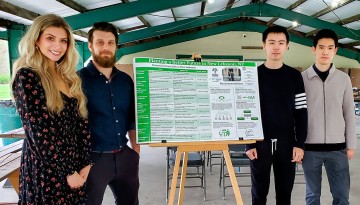
Master’s students are helping New Lebanon, New York expand its economy with green technology jobs, and drafting a blueprint for similar communities statewide.
Ithaca-based SimpliFed – a virtual platform providing personalized advice, service and support to parents – is responding to the baby formula shortage by offering free expert advice and hosting a free virtual class to help new parents prepare for feeding their babies.
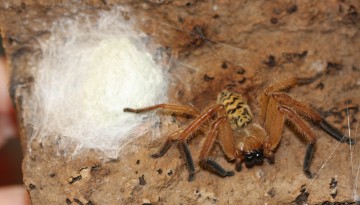
A new study of huntsman spiders links evolutionary lineages with life history traits, providing patterns for predicting social behaviors in other less-studied species.
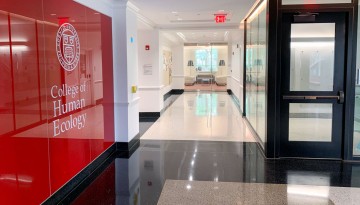
A June 10 rededication and ribbon-cutting ceremony will celebrate the completion of renovations to Martha Van Rensselaer Hall, Cornell’s first facility recognized for inclusive design as part of its LEED Gold certification.