The founding chapter of Alpha Phi Alpha will celebrate the acquisition of two properties in Ithaca – its birthplace and its first physical chapter house – during events from May 13-15.
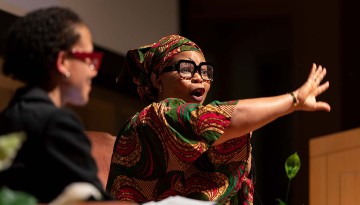
In her talk, “Forging Lasting Peace: Movements for Justice in a Pluralist” at the 2022 Bartels Lecture, activist Leymah Gbowee wove personal stories with what she sees as the tenets of successful peace-building movements.
Misperceptions of marginalized and disadvantaged communities’ level of concern regarding COVID-19 and other issues could undermine cooperation and trust needed to address collective problems, according to new Cornell-led research.
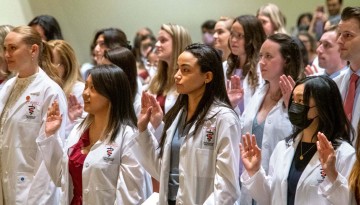
The College of Veterinary Medicine celebrated the Class of 2023 with its annual White Coat Ceremony, which marks the transition from preclinical coursework to a year of clinical rotations.
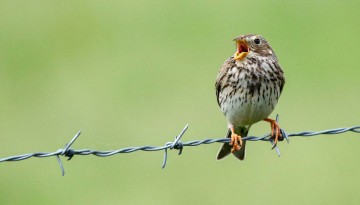
Loss and degradation of natural habitats and direct overexploitation of many species are cited as key threats to avian biodiversity, according to the new study “State of the World’s Birds.”
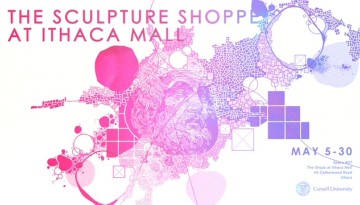
The Sculpture Shoppe, an exhibition of plaster reproductions of classical Greco-Roman art from the Cornell Cast Collection, opens May 5 at the Ithaca Mall with a live performance of modernized ancient Greek songs.
Imagining superheroes and sharing leftovers, building a library and embarking on a new educational adventure - that's how four Cornell Jeb E. Brooks School of Public Policy students plan to use funds they received through the Contribution Project.
As water restrictions tighten in Southern California, the Southwest U.S. sees growing evidence of climate change and drought for millions of western residents, according to a Cornell drought expert.