Attending for-profit colleges causes students to take on more debt and to default at higher rates, on average, compared with similarly selective public institutions in their communities, a Cornell economist finds in new research.
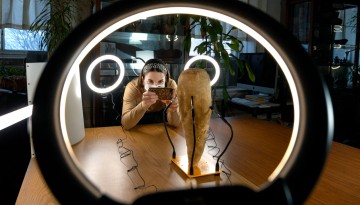
Master’s student Carol Anne Barsody is working with an array of interdisciplinary collaborators to explore the origins of a mummified bird and create a multisensory exhibition that rethinks the way ancient artifacts are presented in museums.
Forty-six high school students from 17 high schools across New York state came to the Cornell campus March 25 for discussions around innovative solutions to food security and climate change challenges.
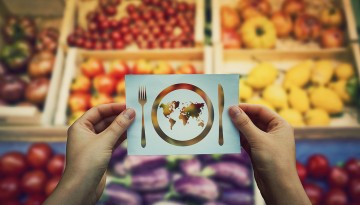
Global food systems expert Johan Swinnen, Ph.D. ’92, will explore lessons learned during the pandemic and the steps needed to prevent a hunger catastrophe in the first talk of a new speaker series dedicated to confronting the world’s most urgent and complex challenges.
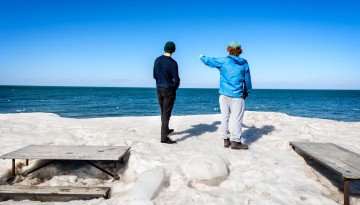
Throughout the long upstate New York winter, while their peers are trying to stay warm indoors, members of the Cornell Surf Club grab their boards and wetsuits and ride the waves of Lake Ontario.
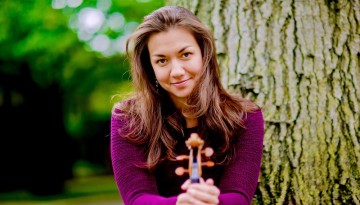
“Gayageum, Meet Violin” is a recital and discussion, set for April 16, featuring a preview performance of a new composition “Apba Hagoo, Nah Hagoo” by Ariana Kim for the Korean traditional zither (gayageum) and violin.
Celebrating its 15th year at Cornell, the 2022 Soup & Hope speaker series returned to Sage Chapel after more than a year on Zoom with stories of transformation and empowerment – a theme that resonated with participants as the world continues to grow and change through the pandemic.