A study of more than 11,000 adolescents found that taxes on soda reduce consumption by boys but not girls, according to new research collaborated on by economics professor John Cawley.
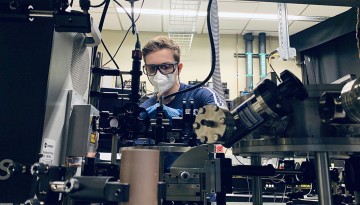
Cornell engineers have created a deep-ultraviolet laser using semiconductor materials that show great promise for improving the use of ultraviolet light for sterilizing medical tools, purifying water and sensing hazardous gases.
Cannabis employers see lack of training and skills, as well as lack of awareness of career opportunities, as two of the largest obstacles to achieving social equity in the adult-use market.
Three teams have been awarded Public Issue Network Grants, providing up to $30,000 in funding for each project over three years. The grants support faculty, staff, students, alumni and community partners as they weave broader, more effective networks of potential collaborators, coordinate resources and increase the impact of their work on a particular social issue.
J.J. Zanazzi, Ph.D. ’18, has been selected for a 2022 51 Pegasi b Fellowship, which provides exceptional postdoctoral scientists with the opportunity to conduct theoretical, observational, and experimental research in planetary astronomy.
Professional investors shouldn’t ignore the performance of terminated fund managers – the “non-decisions” – when developing confidence in their strategies, says Scott Stewart, MBA ’83, PhD. ’85, clinical professor of finance and accounting at Johnson.
New postdoctoral researchers and doctoral students will conduct innovative research on the future of work, labor and employment through the generosity of an anonymous funder.
Four doctoral students studying fields in the College of Arts & Sciences are the inaugural recipients of the Zhu Family Graduate Fellowships in the Humanities.
The award was announced March 31 and comes with $1 million in research funding from the National Science Foundation’s Division of Civil, Mechanical and Manufacturing Innovation.