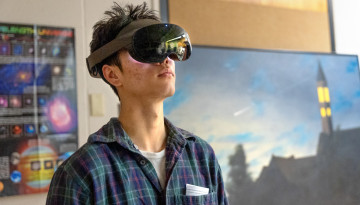
Science – and astronomy – are for everyone at Cornell’s Spacecraft Planetary Image Facility, which supports astronomy research and performs K-12 and other outreach across New York state.
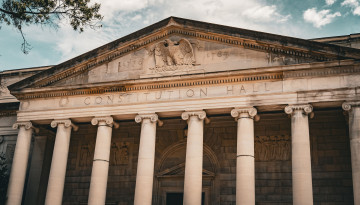
Engineering faculty and students traveled to Washington, D.C., for the inaugural U.S. Governors Cup Robotics Tournament, where they showcased a robot in hopes of inspiring young students.
In this week’s episode of Research Matters, Cornell professor Robert Shepherd explores a radically reimagined future of robotics – one built not from bolts and steel, but from living tissues, fungal networks and soft, 3D-printed materials.
A well-placed step can turn a high hurdle into an easier jump. The same idea applies to how nanoparticles transition into crystals, according to new research from the Cornell Duffield College of Engineering.
Mental health problems can be a barrier for people seeking employment, but new research from the Cornell SC Johnson College of Business shows that remote work options can increase participation in the labor market.
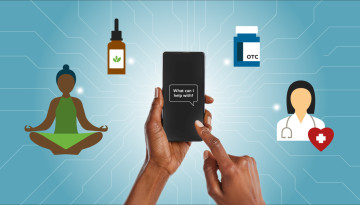
Cornell researchers are recommending new guidelines for developing safe and responsible large language model-based mental well-being apps by consulting relevant experts and reviewing existing state and federal regulations.
Fourteen members of Cornell’s faculty and staff are being recognized this year with Community-Engaged Practice and Innovation Awards from the David M. Einhorn Center for Community Engagement.
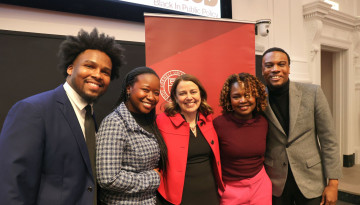
Karine Jean-Pierre, 35th White House Press Secretary and former senior advisor to President Joe Biden, visited the Brooks School of Public Policy for “On Being First: A Fireside Chat with KJP” hosted by Black in Public Policy (BIPP), a Cornell student organization that focuses on building access and exposure to policy careers for Black students.
Employees who are impressed by vague corporate-speak like “synergistic leadership,” or “growth-hacking paradigms” may struggle with practical decision-making, a new Cornell study into “corporate BS” reveals.