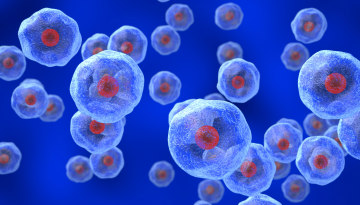
Cornell researchers have uncovered a built-in molecular “gate” that controls the production of the molecule nitric oxide, a crucial signaling molecule throughout biology that in humans helps regulate blood pressure, brain signaling, and immune defenses. But when levels go unchecked, it can damage cells and disrupt normal signaling.
New York Attorney General Letitia James has directed $1.1 million to support the new Cornell College of Agriculture and Life Sciences New York Soil Health Climate Smart Agriculture Fund, aimed at working with farmers to promote healthy soils.
Cornell faculty, staff, students and community members celebrated the 95th birthday of Toni Morrison, M.A. ’55, by unveiling a new historical marker in front of 513 N. Albany St., where she lived while in graduate school.
Stephens, columnist for the New York Times and a Zubrow Distinguished Visiting Journalist, will discuss conservatism and journalism with Klarman ’79, CEO of The Baupost Group.
Masi Asare of Northwestern University and arts journalist Billy McEntee have been named winners of the 2024-25 George Jean Nathan Award for Dramatic Criticism.
The study from an international team of experts in veterinary medicine, human medicine and genomics provides the first large-scale genetic map of feline cancer.
Scholar of law Philippe Sands will give the LaFeber-Silbey Lecture in History on March 5, considering "Lessons from History and Literature, from Nuremberg to Pinochet and Beyond.”
A new artificial intelligence framework developed at Cornell can accurately predict the performance of battery electrolytes while revealing the chemical principles that govern them, providing engineers with a new tool for designing better batteries.