A public panel on climate justice and data – ranging from communities using inexpensive sensors for environmental monitoring, to collaborative analysis of obscure government records – will take place at 5:30 p.m. Friday, March 18, in G01 Gates Hall.
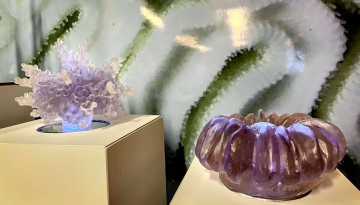
Drawing inspiration from 19th century glass artists, David Nasca's new installation “Model Organisms” in the Mann Library uses ocean life to create metaphors relating to humanity's present and imagined futures.
The student-created signature drinks for Hotel Ezra Cornell 97 to celebrate the Nolan School of Hotel Administration’s centennial, feature the humble pineapple, long a hospitality symbol.
Christina Ochoa, who advocates for incarcerated people serving life sentences in New York state through the Cornell University Parole Initiative, earned the Newman Civic Fellowship for her dedication to transforming systemic injustice in prisons and parole policies.
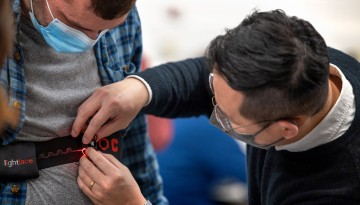
A Cornell startup is working with the Performance Apparel Design Lab to take its wearable sensor technology, which can track the movement of athletes, and use it to monitor pilots undergoing high-gravitational-force training.
The Kessler Fellows program welcomes fifteen new student entrepreneurs from across Cornell's colleges for entrepreneurship training and startup internship experience.
Faculty experts and Ukrainian students will speak about how the Russian invasion of Ukraine threatens lives, the post–Cold War international order and the stability of the global economy at an event March 17 at 4:30 p.m.
At its January meeting, the Cornell Board of Trustees approved parameters for the university’s 2022-23 budget, including tuition rates for the coming academic year.
The new ILR Workplace Inclusion and Diversity Education program will develop and deliver innovative teaching methods, conduct research and develop partnerships with leading organizations to help promote workplace inclusion and study approaches that foster a culture of inclusive leadership through empathy and dialogue-based interventions.