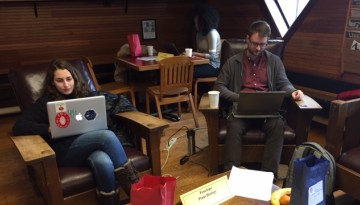
A record number of students joined a supportive, virtual community and learned about habits for more productive writing during the Graduate School’s 2022 Proposal, Thesis and Dissertation Writing Boot Camp.
Scrapped twice by the pandemic, Dragon Day is set to return April 1 with architecture students collaborating to parade through campus a two-headed “scrap dragon” built from recycled materials.
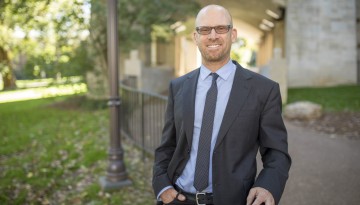
Dr. Dwight Bowman was recognized for his outstanding achievements in the field of parasitology and for his vast contributions to veterinary research and education.
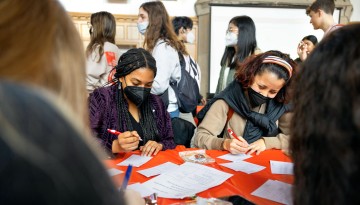
On Cornell’s eighth Giving Day, held March 16, 15,905 alumni, students, faculty, staff, parents and friends from more than 80 countries made gifts totaling a record-breaking $12,268,629.
ILR student Patrick Mehler, also a member of Ithaca Common Council, wants to buy a vowel – and add a few consonants – when he spins for a chance to win money tonight on “Wheel of Fortune.”
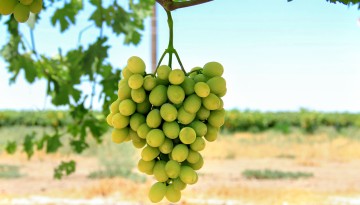
Two newly released grape varieties, developed collaboratively between Cornell AgriTech and Sun World International, a global fruit genetics and licensing company, offer new flavors for consumers and better growing characteristics for farmers.
Referring to police using the legal phrase “objectively reasonable” puts the officer in a more favorable light, regardless of race, according to new research from Neil Lewis Jr. ’13, assistant professor of communication, and doctoral student Mikaela Spruill.