Forever young? Extracellular vesicles may be key to halt aging

Scientists have outlined exactly how embryonic stem cells protect other cells from the effects of oxidative stress, thus preventing cellular aging.

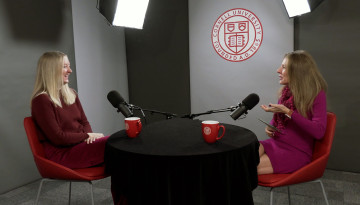
Video-call glitches can have serious consequences

Glitches during face-to-face video calls – even when the glitch does not affect the transmission of information – can shatter the illusion of being across the table from the other person, evoking “uncanniness,” new Cornell-led research finds.

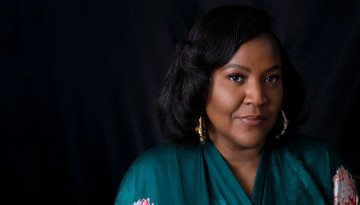
Donica Thomas Varner to step down as general counsel

Vice President and General Counsel Donica Thomas Varner has announced plans to step down from her position effective Feb. 6, 2026. The university will conduct a national search for her replacement.

CCE helps upstate county create a village to support teens

An enrichment program strengthens teenagers’ communication skills, goal-setting and connection to community, with components for both youth and their caregivers.

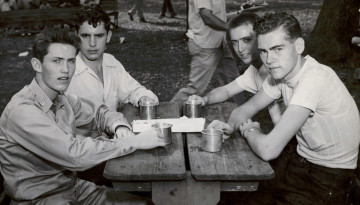
Jeanne Mueller, creator of social work program, dies at 100

Jeanne Mueller, a professor emerita in the College of Human Ecology (CHE) who advised the U.S. and foreign governments on social services, died Nov. 2 in Rochester, New York. She was 100.

Meinig Fieldhouse built to protect iconic red-tailed hawks

The crew building the fieldhouse embraced the hawks as part of daily life, even sporting stickers of Big Red on their hard hats and creating and filling a makeshift birdbath to keep them cool.

Cornell startups find growth paths through acquisition

In 2025, four companies with Cornell-originated technologies — SafetyStratus, Bactana Corporation, Guard Medical and Halo Labs — were acquired by global corporate partners, allowing Cornell technologies to reach broader markets.

Around Cornell

Mulvaney addresses future of politics and populism at Brooks School event

Director Mick Mulvaney, the 2025–26 Nixon Distinguished Policy Fellow, delivered a keynote on the rise of populism in America to a full lecture hall of Cornell students, highlighting shifts in U.S. politics and engaging in wide-ranging discussion on contemporary policy challenges.

Around Cornell

Research Matters: Personalizing pancreatic cancer treatment

Dr. Despina Siolas, assistant professor of medicine at Weill Cornell Medicine and an oncologist at NewYork-Presbyterian/Weill Cornell Medical Center, is working on personalizing treatment for pancreatic cancer, which is often diagnosed too late.