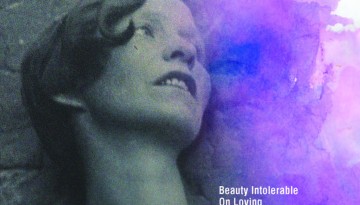
Lucy Fitz Gibbon, interim director of the Cornell Vocal Program, and pianist Ryan McCullough, DMA ’20, a visiting music faculty member, are featured on a new recording, “Beauty Intolerable: Songs of Sheila Silver.”
Researchers discover that Australia’s superb lyrebird males imitate the panicked alarm calls of a mixed-species flock of birds while they are courting and even while mating with a female.
In partnership with New York community groups, Cornell researchers are developing a hyperlocal weather forecasting system designed to help emergency response.
Robert Seaney, Ph.D. ’55, professor emeritus of soil and crop sciences who’s best known for his research on identifying the best forages for New York state soils and climate, died Jan. 19 in Petersburg, Illinois. He was 93.
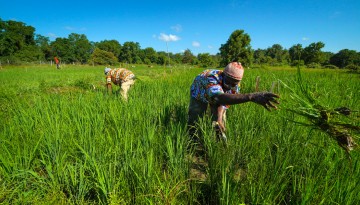
Rural Humanities will offer a webinar, “Black Land Matters: A Rural Humanities Webinar on Black Farming and Food Security,” on March 4 featuring author Natalie Baszile and activist Karen Washington, co-founder of Black Urban Growers.
Future pandemics can be averted if the world’s governments eliminate unnecessary wildlife trade and adopt holistic approaches, according to experts at a Feb. 23 virtual conference.
Rahul Gandhi, member of India’s Parliament and former president of the Indian National Congress, will join Kaushik Basu for an open conversation on democracy, development, and life in politics, India, and the world March 2.
A study conducted by the Lab of Ornithology’s Center for Conservation Bioacoustics found that when ambient underwater noise gets too loud, the bearded seals are no longer able to compensate in order to be heard.
Richard Newell Boyd, the Susan Linn Sage Professor of Philosophy and Humane Letters Emeritus, died in his sleep in Cleveland, Ohio on Feb. 20. He was 78.