Sarah Kreps started the lab to research the growing connections and potential disruptions at the intersection of technology and government, many of them related to artificial intelligence.
In fall 2020, the village of Waterloo, New York, asked Cornell design students how to transform a deteriorating 1890s building into an art center. By December, they had delivered.
The College of Veterinary Medicine has created a brand-new scholarship to encourage under-represented high school students to explore veterinary medicine by attending the Cornell University Summer College course, Veterinary Medicine: Small Animal Practice.
The March 2 episode of ‘All Things Equal’ featured Tammy Baker and Natalya Coliwitch, Community Outreach Workers for Family and Children’s Services of Ithaca.
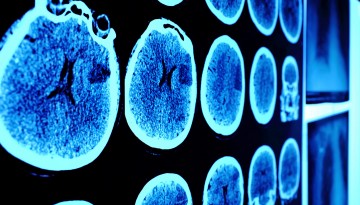
Neuroimaging results suggest white political conservatives might overcategorize mixed-race faces as Black not because of an aversion to Blackness, but because of an affective reaction to racial mixing more generally.
The Office of Academic Integration has awarded $750,000 in seed grants to 10 studies ranging from refugee health and legal rights, to a vaccine treating fentanyl addiction and overdose, to pancreatic cancer and antibiotic tolerance.
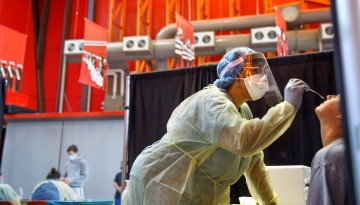
Cornell researchers found no evidence of students transmitting COVID-19 to employees or the broader community during the fall semester, but students who traveled were eight times more likely to test positive within two weeks of their return.
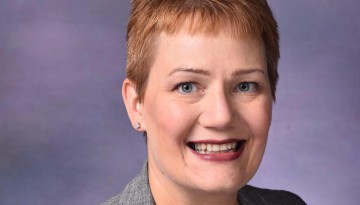
Rhonda Kitch, university registrar, has been named president-elect of the American Association of Collegiate Registrars and Admissions Officers, one of the nation’s largest educational professional organizations.
Cornell will celebrate its seventh Giving Day March 11, in a 24-hour campaign bringing together Cornellians around the world to show their support for the university and compete in friendly challenges, game shows and more.