New research from an interdisciplinary Cornell team has found that it takes as few as 10 minutes in a natural setting for college students to feel happier and lessen the effects of stress both physically and mentally.
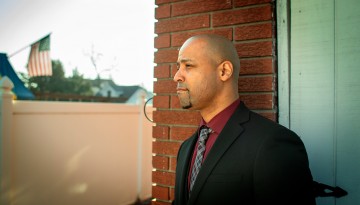
Darryl Epps is among the hundreds of men incarcerated in New York who have transformed themselves through the Cornell Prison Education Program. CPEP reduces recidivism and saves taxpayers millions with college behind bars.
NASA’s Mars InSight lander is now serving up the red planet’s meteorological secrets: Gravity waves, dust devils and the steady, low rumble of infrasound.
Cornell is joining a collaboration of 36 colleges and universities committed to building the field of public interest technology and preparing a generation of civic-minded technologists.
The Roper Center for Public Opinion Research at Cornell recently announced its first partnership with a major public library system, providing access to its archive of poll questions through the America’s Voice Project.
Weill Cornell Medicine has established a new Office of International Affairs that will unify the institution’s portfolio of international activities and strategically plan future international collaborations.