A new study, which brought together Cornell researchers, Cambodian fishers and Cambodian researchers, had study participants take photos that researchers then use to facilitate interviews and group discussions during which the subjects share their life experiences and perspectives.
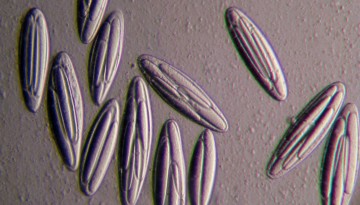
Cornell researchers and colleagues have for the first time described the near-complete genome of a rare bacterium so large it’s visible to the naked eye. The bacteria, which they’ve named Epulopiscium viviparus, lives symbiotically within some tropical marine surgeonfish.
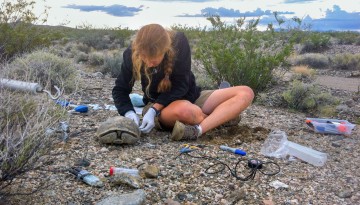
A new method could be used by biologists to estimate the prevalence of disease in free-ranging wildlife and help determine how many samples are needed to detect a disease.
Restricting the number of ingredients in the diet lessens signs of disease in dogs with persistent gastrointestinal diseases, a study by researchers in the Department of Clinical Sciences in the Cornell College of Veterinary Medicine has found.
Genomic sequencing revealed that populations of wasps that recognized each other's faces – and cooperated more – showed recent adaptations in areas of the genome associated with cognitive abilities such as learning, memory and vision.
The lack of alcohol in nonalcoholic or low-alcohol beer – particularly during manufacturing, storage and pouring – may prompt conditions ripe for foodborne pathogen growth.
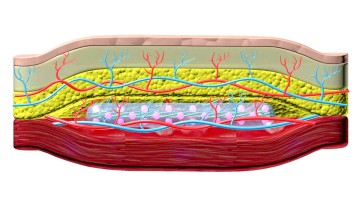
Researchers created a new technique to treat Type 1 diabetes: implanting a device inside a pocket under the skin that can secrete insulin while avoiding the immunosuppression that typically stymies management of the disease.
Researchers have identified an important pathway that reveals why some mammals, like humans, dogs and cats, regularly develop mammary cancer while others, such as horses, pigs and cows, rarely do.