New Cornell variety raises grape expectations for NYS wine

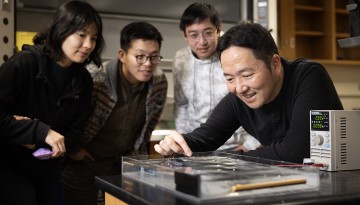
Compared to its riesling parent, the new grape could have slightly improved cold hardiness, much better rot and fungal disease resistance, and similar wine quality.

Fish story: Animals adjust reactions to misinformation

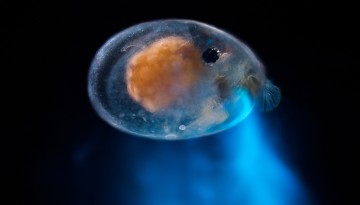
Fish can adjust their sensitivity to the actions of others – such as fleeing due to a false alarm – in order to reduce the risk of responding to misinformation, according to a new study.

Imaging captures social dynamics of 'pee-shy' mice

Cornell researchers shined a new light – via thermal imaging of mice – on how male scent marking changes depending on shifting social conditions.

Enrollment now open for Summer Session 2023

Students from Cornell and other universities are invited to enroll now for Cornell’s Summer Session, which will feature on-campus, online and off-campus courses. Students can earn up to 15 credits taking regular Cornell courses.

Around Cornell

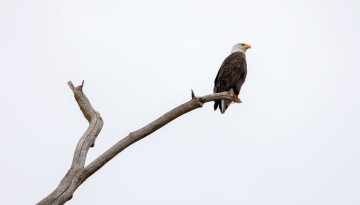
Climate change creates ‘win-win’ between bald eagles and farmers

As they seek new foods because climate change has altered their traditional diet of salmon carcasses, bald eagles in northwestern Washington state have become a boon to dairy farmers, deterring pests and removing animal carcasses from their farms, a new study finds.

Great Dane puppy’s heart is repaired with cutting-edge technology

Nittany, a Great Dane puppy, had ventricular arrhythmia, an often deadly heart condition. She found a cure at Cornell, one of the few places in the country with the expertise to treat it.

Reproductive biology a core strength at Veterinary College

Cornell is home to the newly-expanded Cornell Reproductive Sciences Center (CoRe), one of the eight multidisciplinary research centers in the nation focused on reproductive biology.

Around Cornell

How carbohydrates function to help or hurt humans: Aggarwal Lectures March 15-16

Chemical biologist Laura L. Kiessling of MIT will detail how carbohydrates function to help the body fight cancers and pathogens.

Around Cornell

Grassroots data is vital for reducing deadly bird-window strikes

Citizen science has enabled much of the progress in understanding the scope of bird deaths from building and window collisions, according to a new study.