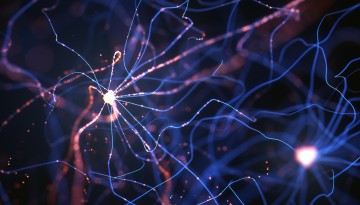
A study in rats teases apart the role of the hippocampus in two functions of memory – one that remembers associations between time, place and what one did, and another that allows one to predict or plan future actions based on past experiences.
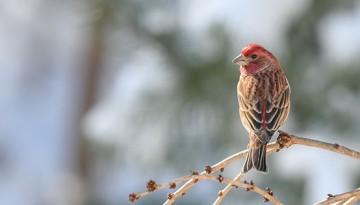
For the 37th season of Project FeederWatch you can report more than birds. For the first time, data about mammals seen, sick birds, and your thoughts about supplemental feeding can also be entered.
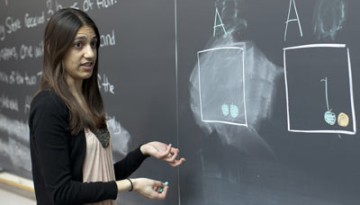
The annual competition, slated for Nov. 10-13, allows students to work on open-ended real world problems, showcasing the multifaceted nature of applied mathematics.
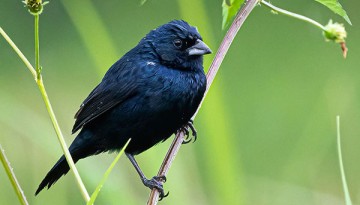
Courtship takes a lot of effort for a small South American bird species. Learn about the blue-black grassquit at the Paul C. Mundinger Distinguished Lectureship on October 25 in Warren Hall.
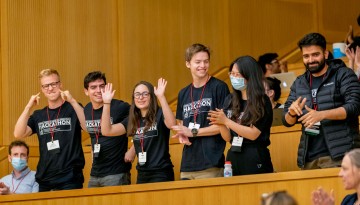
The hackathons, run by Entrepreneurship at Cornell, are open to undergraduate and graduate students from any field and major and take place from Friday evenings through Sunday afternoon.
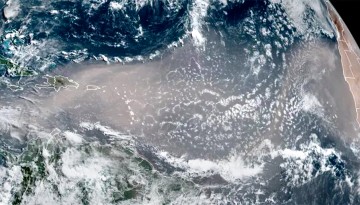
Plant pathogens can hitch rides on dust and remain viable, with the potential for traveling across the planet to infect areas far afield, a finding with important implications for global food security and for predicting future outbreaks.
Two faculty members from Weill Cornell Medicine and one from the College of Veterinary Medicine have been elected to the National Academy of Medicine, one of the highest honors in the fields of health and medicine.
Schwartz Research Fund applications are due Dec. 8; two awards of up to $25,000 apiece will be given to female faculty or faculty who enhance the diversity, equity and inclusion goals of the university and whose work is in the life sciences.