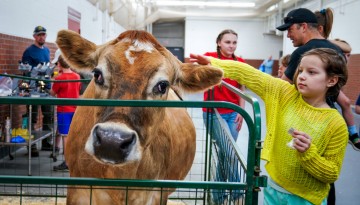
After a three-year, pandemic-induced hiatus, the College of Veterinary Medicine resumed a beloved tradition and welcomed the community to its 54th Open House.
A diverse group of students and recent graduates representing Cornell’s four contract colleges has been selected to receive the 2023 State University of New York Chancellor’s Award for Student Excellence.
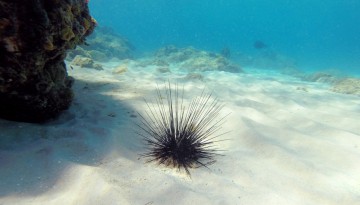
Scientists have discovered that a parasite is behind a severe die-off of long-spined sea urchins across the Caribbean Sea, which has had devastating consequences for coral reefs and surrounding marine ecosystems.
The new CALS Navigator program supports undergraduate students in the transition from high school or a transfer college to Cornell and through graduation
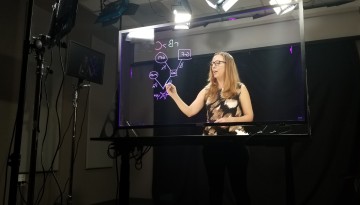
In 2022-2023, the Center for Teaching Innovation awarded five Innovative Teaching & Learning Awards to Cornell faculty. With a goal of facilitating vibrant, challenging, and reflective learning experiences at Cornell, these awards sponsor projects across the colleges that explore new tools and emerging technologies, approaches, and teaching strategies. CTI is now accepting pre-applications for the 2023-2024 Innovative Teaching and Learning Awards – the deadline is April 17.
Members of the Cornell entrepreneurial community gathered to celebrate a successful first year of the BioEntrepreneurship Initiative at the program’s culminating workshop on March 18 in Midtown Manhattan.
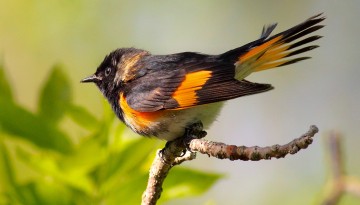
A new study demonstrates that birds can partially compensate for deteriorating habitat conditions by delaying the start of spring migration and completing the journey faster – but the strategy comes with a decline in overall survival.
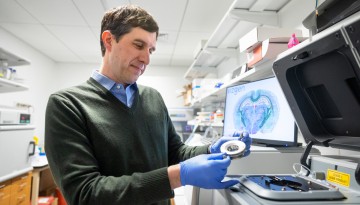
A Cornell multidisciplinary research center that studies chronic fatigue syndrome has received a five-year, $9.5 million grant from the National Institutes of Health – funding that will enable experts to continue work on the mysterious and debilitating condition.
Cornell CALS’ Nutrient Management Spear Program (NMSP) is collaborating with research institutions and dairy farms across the U.S. to help the dairy industry move toward greenhouse gas reductions while improving soil health and climate resiliency of forage production.