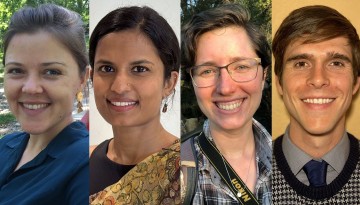
Four next-generation scholars have been chosen as Cornell Atkinson Postdoctoral Fellows, forwarding projects focused on food security, energy transitions, One Health and climate change.
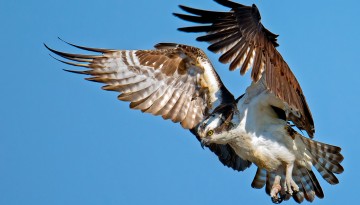
A new computer model using machine learning to predict migratory bird movement could open the door to new insights on migration timing, stopover sites, bird response to climate change, light pollution and more.
White-tailed deer – the most abundant large mammal in North America – are harboring SARS-CoV-2 variants that once widely circulated but are no longer found in humans.
Twelve Cornell and Weill Cornell Medicine faculty members – six of whom are also Cornell alumni – have been elected fellows of the American Association for the Advancement of Science, the world’s largest general scientific society.
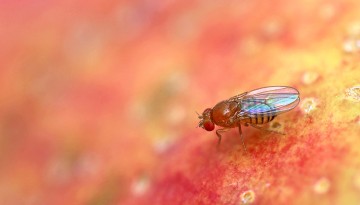
A seminal fluid protein transferred from male to female fruit flies during mating changes the expression of genes related to the fly’s circadian clock, Cornell research has found.
Forte Protein – a new Cornell startup that grows commercial animal proteins inside agricultural plants – has joined the university’s Center for Life Science Ventures business incubator.
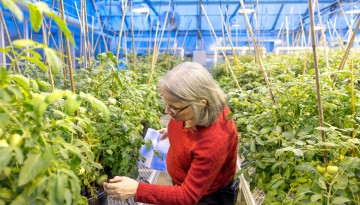
A Cornell researcher has completed a decades-long program to develop new varieties of tomato that naturally resist pests and limit transfer of viral disease by insects.
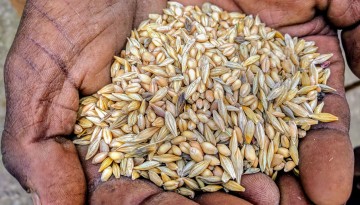
Maslins, or mixtures of grains planted and eaten together, have fed humans for millennia. Now nearly forgotten, they can adapt in real time to unpredictable weather and extreme weather.
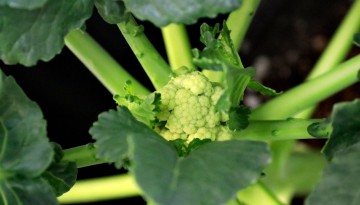
A new study identifies the genetic underpinnings for why broccoli heads become abnormal when it’s hot, providing insight into effects of climate-induced warming for all crops and pointing the way for breeding heat-resistant new varieties.