Researchers are securing grants that span the breadth of USDA priorities — from improving livestock health and genetics, to thwarting foodborne pathogens and antimicrobial resistance, to understanding impacts of rural veterinarians.
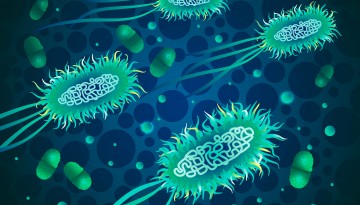
A multi-year study of the role of E. coligut bacteria in Crohn’s disease finds that intestinal inflammation liberates chemicals that nourish the bacteria’s growth and promotes their ability to cause inflammation.
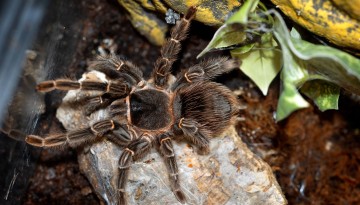
A survey has found that endangered and threatened insects and spiders, as well as common species that provide valuable ecological services, can be easily purchased – without adequate oversight – through basic internet searches, according to a new Cornell study.
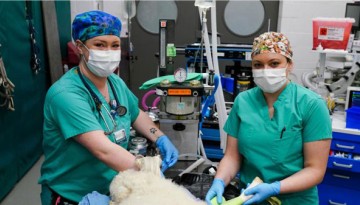
After over 15 years of preparing future veterinary technicians to enter the workforce, Cornell's preceptorship program remains one of the few of its kind based in a New York referral animal hospital.
A new study of a southwestern Washington floodplain finds that most native species adapt well to the invading bullfrogs and sunfish by shifting their food sources and feeding strategies.
The center, with more than 120 faculty members, builds on the multidisciplinary nature of research into the immune system, with links between infection biology, vaccine development, genetics, genomics, malignancy and biomedical engineering.