The College of Arts and Sciences awarded $1.25 million in grants to faculty members pursuing critical developments in areas ranging from quantum materials to sustainable technologies.
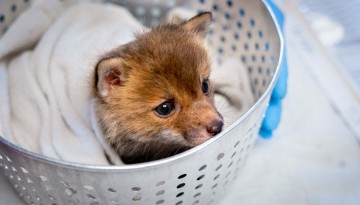
A red fox kit found in Cortland County with its paw caught in a plastic rat trap is on the mend at Cornell’s Janet L. Swanson Wildlife Hospital, where veterinarians, licensed veterinary technicians and students are helping get the fox back to full health.
The Cornell Veterinary Dance Collective Spring 2022 Showcase, aptly named “The Revival,” marked the group’s first return since the coronavirus pandemic stoppered such performances two years ago.
An agricultural economist, a theoretical physicist, a plant biologist and a physiologist have each been elected to the National Academy of Sciences, the academy announced May 3.
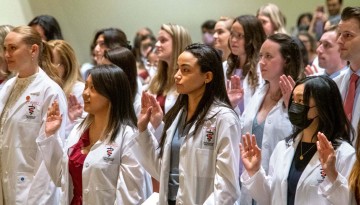
The College of Veterinary Medicine celebrated the Class of 2023 with its annual White Coat Ceremony, which marks the transition from preclinical coursework to a year of clinical rotations.
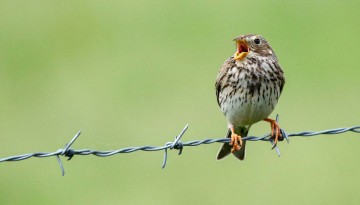
Loss and degradation of natural habitats and direct overexploitation of many species are cited as key threats to avian biodiversity, according to the new study “State of the World’s Birds.”
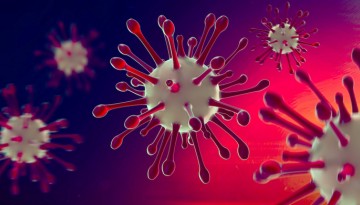
Cornell researchers have identified a shift that occurs in canine coronavirus that points to a possible pattern of change found in other coronaviruses and which may provide clues to how they transmit to humans from animals.