Computing-related retraumatization can be lessened or avoided in a few low- or no-cost ways, according to research co-led by Nicola Dell and Tom Ristenpart of Cornell Tech and the Cornell Ann S. Bowers College of Computing and Information Science.
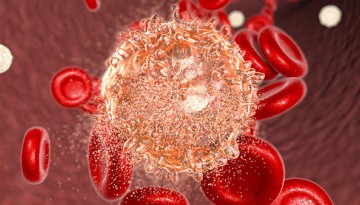
Genetically engineered immune cells successfully target the specific cancer cells that may be responsible for relapse of acute myeloid leukemia, according to a preclinical study by investigators at Weill Cornell Medicine.
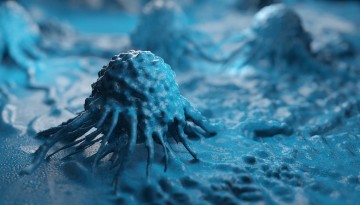
Researchers at Weill Cornell Medicine and Memorial Sloan Kettering Cancer Center have identified a previously unrecognized form of hormone therapy-resistant prostate cancer, as well as a set of molecules that drive its growth.
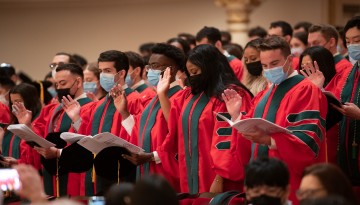
President Martha E. Pollack joined Deans Augustine M.K. Choi and Barbara Hempstead in conferring degrees on students graduating from Weill Cornell Medical College and Weill Cornell Graduate School of Medical Sciences, in the first in-person ceremony since the beginning of the COVID-19 pandemic.
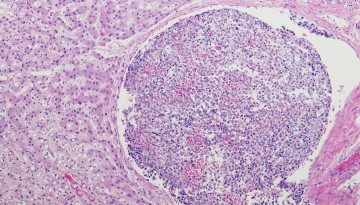
A protein called CDC7, long thought to play an essential role early in the cell division process, is in fact replaceable by another protein called CDK1, according to a study by investigators at Weill Cornell Medicine and the Dana Farber Cancer Institute.
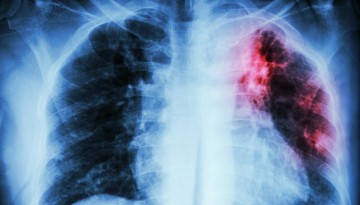
Weill Cornell Medicine researchers have identified a protein in Mycobacterium tuberculosis that contributes to drug tolerance, a phenomenon that allows bacteria to survive treatment with drugs that would normally kill them.
The Anti-Racism Curriculum Committee at Weill Cornell Medicine is charged with reinvigorating the curriculum to ensure that medical students gain a firm understanding of how social, economic and policy factors influence health outcomes.
The gift will designate the College Scholar Program as the Robert S. Harrison College Scholar Program, expanding support and funding for student research and summer experiences, creating new connections to Cornell’s New York City campuses and increasing scholarship funds available to undergraduates in A&S.