Compared to its riesling parent, the new grape could have slightly improved cold hardiness, much better rot and fungal disease resistance, and similar wine quality.
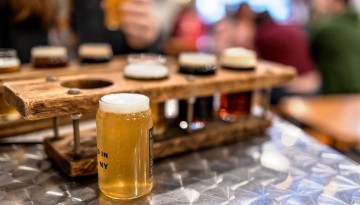
While creating quality craft beers, serving up a pleasant tasting-room experience with friendly, informed servers can bring more profit to a brewery, according to new Cornell research.
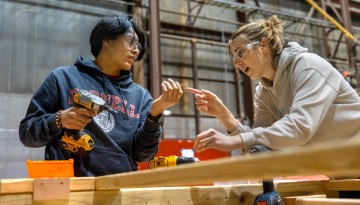
The 1983 student chapter of the American Society of Civil Engineers designed and built Flat Rock Bridge. Now the current student chapter is renovating it with the help of faculty, staff, and community members.
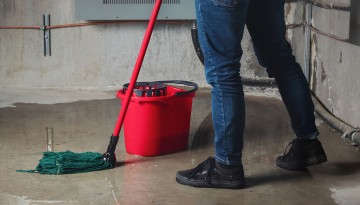
In flood-prone New York, non-white homeowners are more likely to take active measures – like protecting a furnace or installing a sump pump – to prepare for deluge, says Cornell research.
New York state saw a resurgence of eviction proceedings after a nearly two-year moratorium ended in early 2022, with rates that year exceeding pre-pandemic levels in 40 of 62 counties, according to an ILR School analysis of census and court data.
Students working to support local Indigenous heritage, dairy farmers, formerly incarcerated people and entrepreneurs in Uganda and Ithaca competed for a total of $7,500 in prize money that will fund their community collaborators.
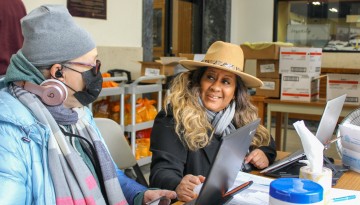
Cornell’s Project Leadership certificate through eCornell’s new Transform program offers working adults from underserved communities free access to Cornell online courses and certificates, with the goal of supporting economic mobility for all.
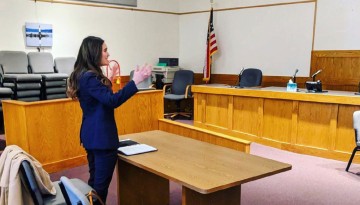
Now in its fourth year, the Tenants Advocacy Practicum at Cornell Law School continues to expand its impact as it works to bridge the housing justice gap in Ithaca and the surrounding counties. The practicum recently achieved a new milestone by recovering more than $100,000 for local tenants over the course of a year for the first time.
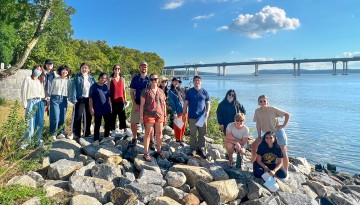
As sea levels rise over the next decades for low-lying Hudson River towns, Cornell landscape architecture students offered ideas for coping with climate change and embracing the water.