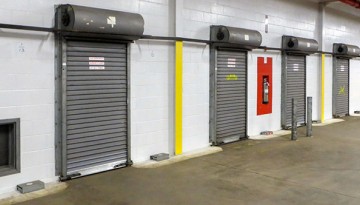
Food distribution centers can protect the food supply more effectively by setting traps near features that attract rodents, rather than a set distance apart, a new Cornell-led study found.
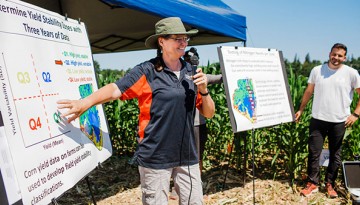
The funding aims to help the U.S. dairy industry become carbon neutral while supporting farmers’ livelihoods and will measure greenhouse gas emissions at a working New York dairy.
In the fall of 2022, the New York State School of Industrial and Labor Relations plans to implement its most substantive undergraduate curriculum changes in over 30 years.
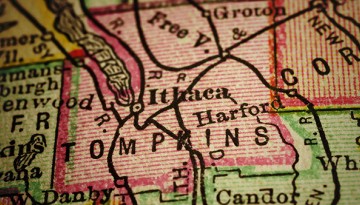
In a report for Tompkins County, the ILR School’s Ithaca Co-Lab recommends workforce strategies to reduce racial disparities, remove barriers to work and prioritize living-wage jobs.
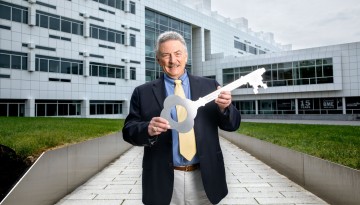
When Lou Walcer ’74 stepped into the new business incubator in Weill Hall 10 years ago, he saw opportunity. Now, the center has enjoyed a decade of success.
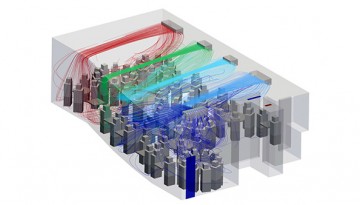
Designing a recycling strategy for a new generation of photovoltaic solar cells will add a strong dose of environmental friendliness to a green industry.
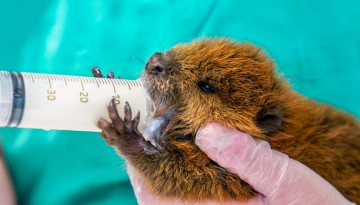
The Cornell Wildlife Hospital helped care for a litter of baby beavers, whose parents were trapped and killed at Lake George in the Adirondacks, nursing three of the surviving five back to health before sending them for rehabilitation.
A two-year, $200,000 grant from the USDA and the Extension Foundation to Cornell researchers aims to help promote vaccine confidence and uptake in vulnerable communities in eight New York counties, both upstate and downstate.