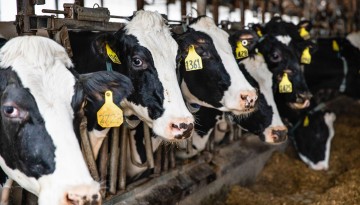
Four undergraduates from New York state who are majoring in animal science each received $20,000 scholarships this past year through the Chobani Scholars Program, to help them achieve their dairy career ambitions across four years of study.
Twenty faculty and professional staff members in four of Cornell’s state contract colleges have been selected for the 2020–21 State University of New York Chancellor’s Awards for Excellence.
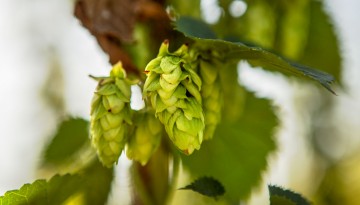
A $300,000 investment from New York state has paved the way for a new hops breeding program at Cornell AgriTech, which will grow and develop signature New York hops varieties in support of the state’s $3.4 billion craft brewing industry.
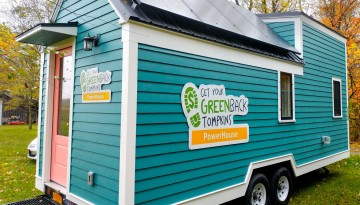
Part of the Cornell Cooperative Extension(CCE) Tompkins County Get Your Greenbacks program, the PowerHouse helps CCE educators tackle environmental issues and social inequities by making energy savings concepts tangible and easy to understand.
A Schuyler County-Cornell pilot project could help New York farmers diversify their crops and give regional food manufacturers a cost-effective source for the popular legume.
Joseph Margulies, professor of the practice of law and government, has been awarded the 2021 George D. Levy Faculty Award for his work to break down barriers for previously incarcerated people in Tompkins County.
The center will open new pathways for Cornellians to embrace the university’s land-grant mission to improve lives in New York state, across the nation and around the world.
Students in a new pilot course on Urban Design Strategies aim to improve livability of four NYC locations with the help of augmented- and virtual-reality.
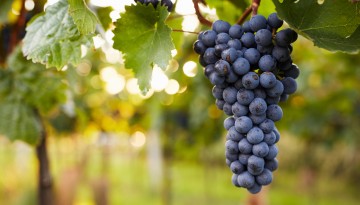
An anonymous gift will improve grapevine health, quality, yields and profitability in the New York state wine and grape industry through the creation of a graduate student research fellowship program.