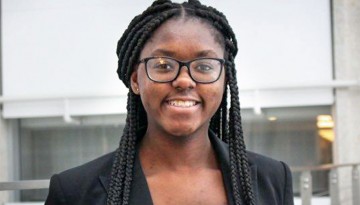
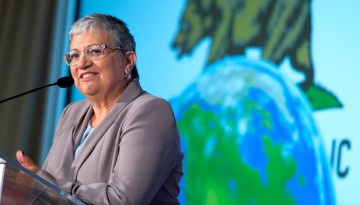
Sherell Farmer ’22 was named Cornell’s 2021-22 Newman Civic Fellow by Campus Compact. The fellowship honors students who engage with others to create long-term social change and demonstrate a potential for civic engagement.
For wineries, meeting COVID-19 guidelines was a sobering task, but some changes boosted business for the better, according to a Cornell survey presented at the recent B.E.V. NY conference.
New York state’s premier leadership development program is now accepting applications for its next class of leaders in the food, agriculture and natural resources sectors of the Northeast.
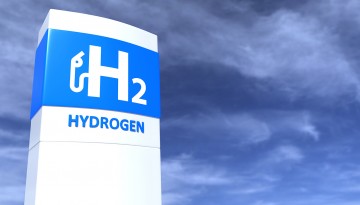
Prompted by Cornell research, the Standard Hydrogen Corp. and National Grid announced plans March 11 to build the first hydrogen “energy station” of its kind in the nation.
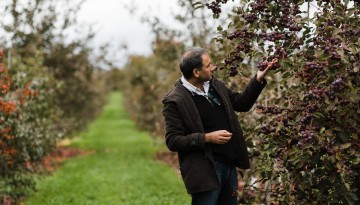
Rapid Apple Decline is a mysterious phenomenon that has been killing apple trees suddenly and without probable cause, leaving growers and scientists bewildered. Two scientists from CALS are on a mission to find its root cause.
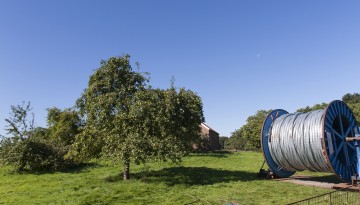
Even when grants fund network construction, high operating costs pose significant challenges for rural broadband cooperatives seeking to expand access, according to new research from the Charles H. Dyson School of Applied Economics and Management.
In fall 2020, the village of Waterloo, New York, asked Cornell design students how to transform a deteriorating 1890s building into an art center. By December, they had delivered.