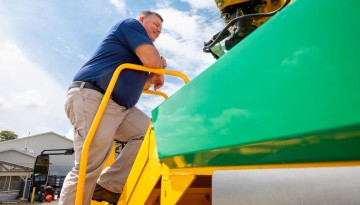
An experimental vineyard at the Cornell Lake Erie Research and Extension Laboratory is becoming the university’s first living laboratory of precision, autonomy and sustainability, supporting the grape industry in New York and Pennsylvania.
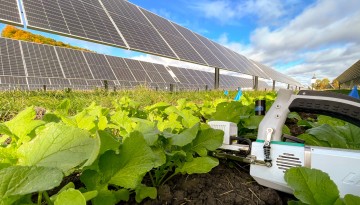
A series of studies by Cornell researchers is testing how crops might grow when planted between rows of solar panels on a solar farm in New York state.
The findings could lead to aquatic plant management strategies that help mitigate the release of gases such as methane, carbon dioxide and nitrous oxide.
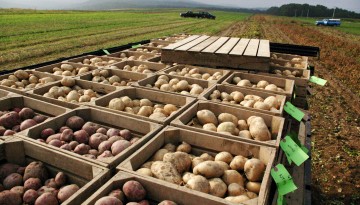
Cornell's 160-year-old potato breeding program supports the national potato industry, working hand-in-hand to develop new varieties grown across the country.
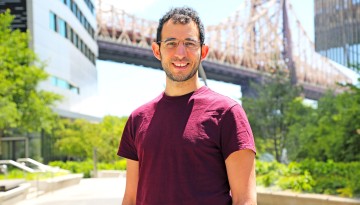
Mako, co-founded by assistant professor Mohamed Abdelfattah, sets out to tackle one of artificial intelligence’s most pressing infrastructure challenges: optimizing the computing efficiency of graphics processing units.
Youth in Cornell Cooperative Extension of Erie County's 4-H Livestock Program are learning marketing skills along with lessons in animal husbandry and business planning.
Proactive outreach and Cornell’s tradition of supporting military service have helped grow the number of cadets and midshipmen joining the Tri-Service Brigade this year.
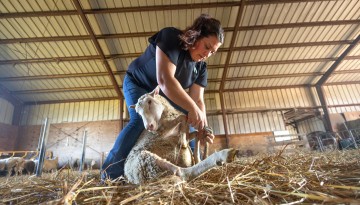
With funding from New York state, PRO-LIVESTOCK aims to support the region's livestock farmers, beginning with cattle, goat and sheep farmers, and two new hires have been traversing New York to spread the word.